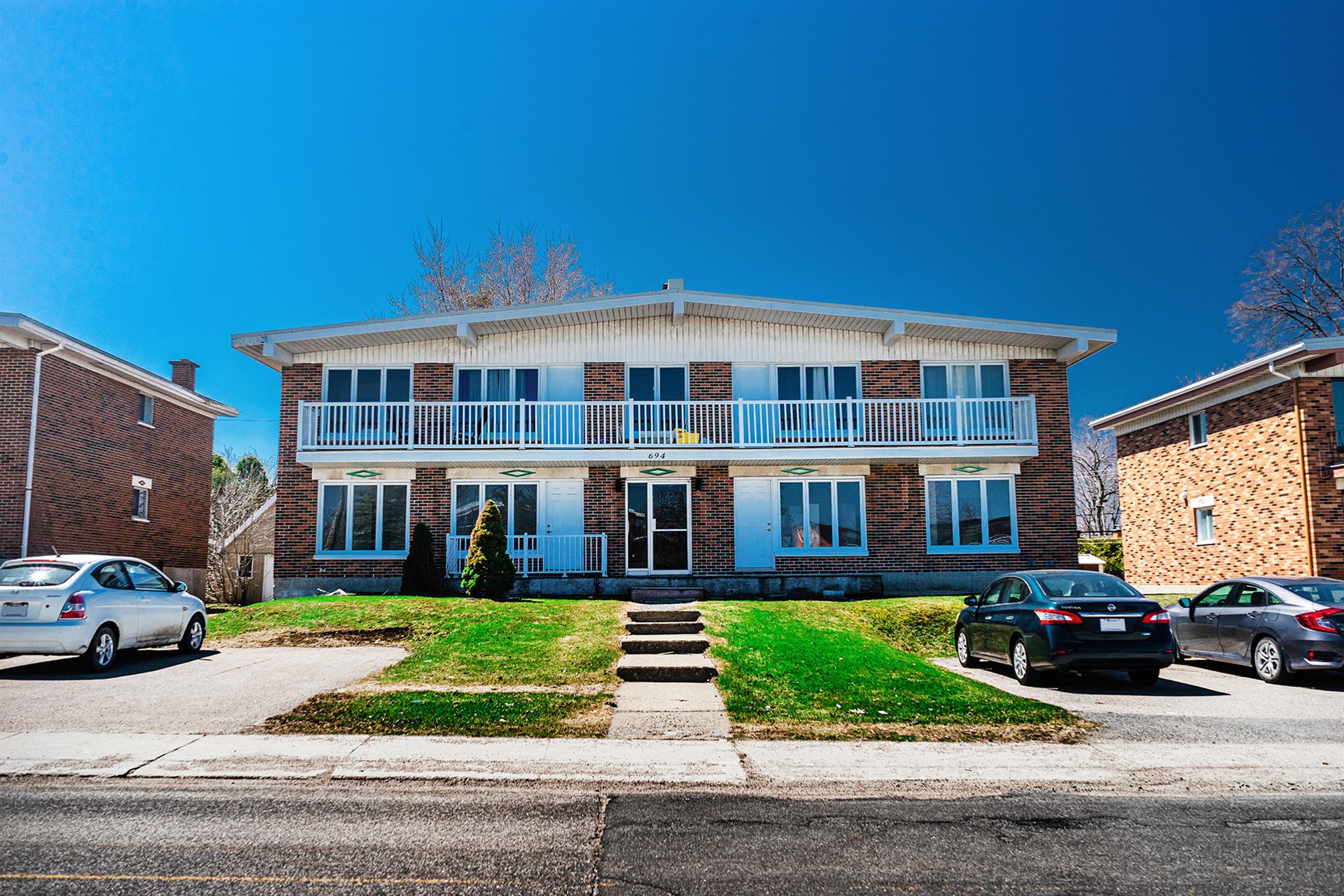
Achieve Multi-Family Real Estate Success in Quebec City”
Multi-family real estate represents the sweet spot of property investment—offering the income potential of commercial real estate with the accessibility and stability of residential properties.
In Quebec City, where rental demand remains strong and quality housing is prized, multi-family buildings present exceptional opportunities for wealth creation. Frederic Murray has dedicated nearly two decades to mastering this asset class, building the Groupe Murray portfolio to over 200 units across the region.
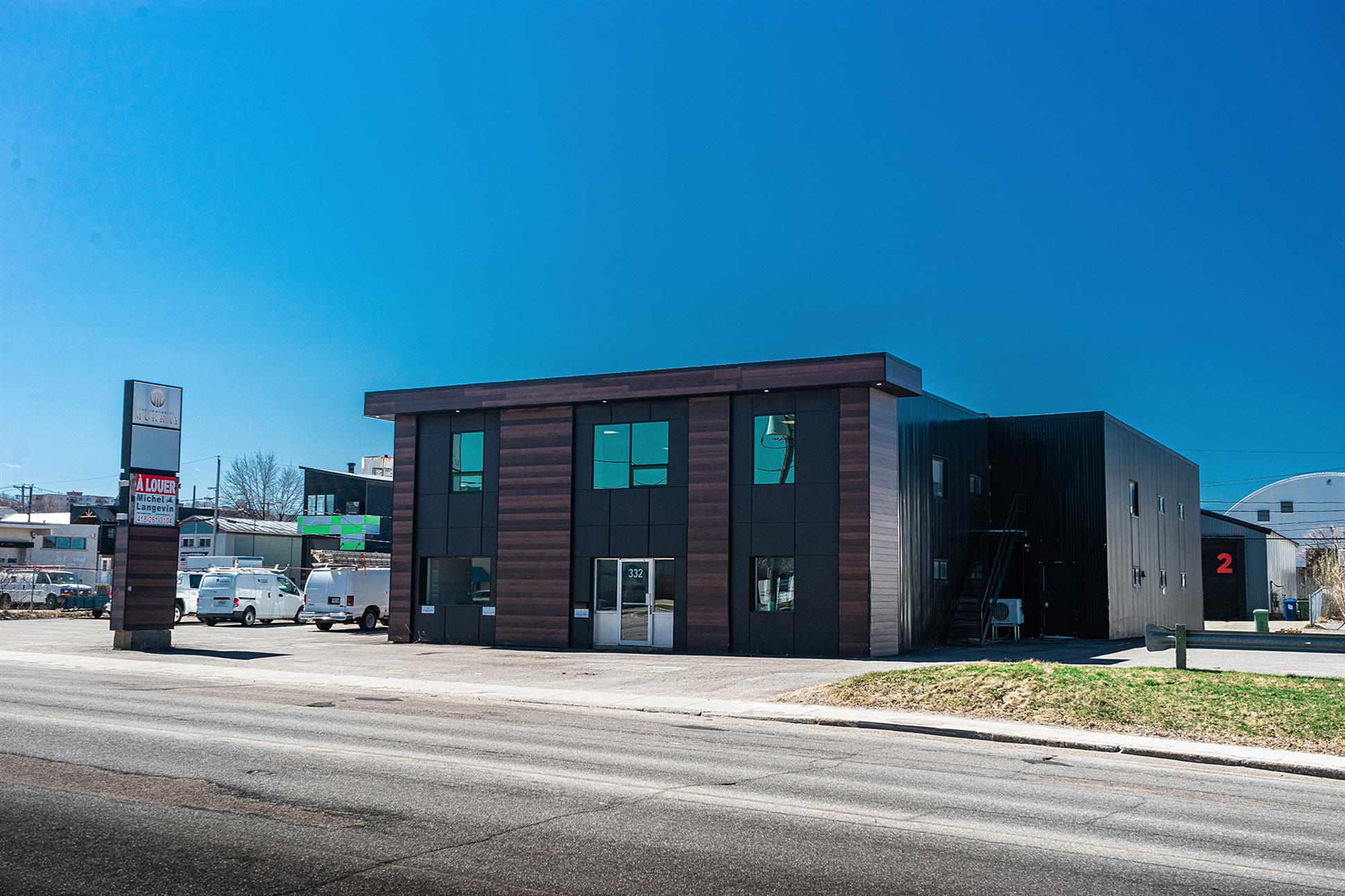
Property of Murray Group
© 2025
This strategic guide reveals the principles, analysis methods, and operational approaches that drive successful multi-family investing.
Why Multi-Family Properties Outperform
Before diving into strategy, understand why experienced investors favor multi-family assets. Immeubles Murray has built its portfolio on these fundamental advantages:
Diversified Income Streams
Multiple units spread risk effectively:
- One vacancy doesn’t eliminate all income
- Different lease terms create staggered renewals
- Varied tenant demographics add stability
- Revenue more predictable than single-family
A four-unit building with one vacancy still generates 75% of potential income, while a single-family rental produces zero.
Economies of Scale
Larger properties are more efficient:
- One roof covers multiple units
- Shared mechanical systems
- Single property tax bill
- Consolidated insurance coverage
- Management efficiency improves with scale
Murray Immeubles achieves significant cost advantages by managing multiple units within each building.
Easier Financing for Income Properties
Lenders understand multi-family assets:
- Income-based underwriting
- Lower risk perception than commercial
- Competitive interest rates available
- Longer amortization periods
- Refinancing options as values increase
Forced Appreciation Potential
Unlike single-family homes valued by comparables, multi-family values respond to operational improvements:
- Increase rents = increase value
- Reduce expenses = increase value
- Improve occupancy = increase value
- Add amenities = increase value
Frederic Murray has created substantial wealth through strategic property improvements.
Inflation Hedge
Multi-family properties protect purchasing power:
- Rents typically rise with inflation
- Property values follow rental income
- Fixed-rate debt becomes cheaper in real terms
- Operating costs partially passed to tenants
Types of Multi-Family Properties
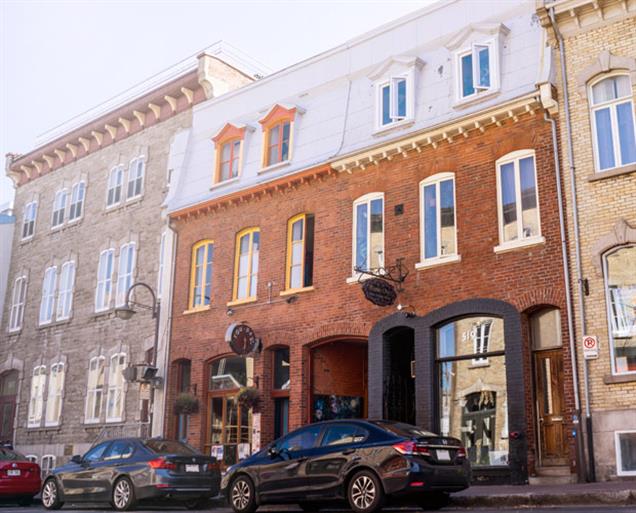
The Groupe Murray portfolio includes various property types. Understanding each category helps match investments to goals:
Duplex (2 Units)
The entry point for many investors:
- Owner-occupied financing available
- Lower purchase price and barriers
- Hands-on management feasible
- Learning opportunity for new investors
- Limited income potential
Triplex and Fourplex (3-4 Units)
The sweet spot for small investors:
- Still eligible for residential financing
- Meaningful income diversification
- Manageable complexity
- Strong cash flow potential
- Excellent wealth-building vehicles
Immeubles Murray considers this category particularly attractive for building a portfolio foundation.
Small Apartment Buildings (5-12 Units)
Transition to commercial territory:
- Commercial financing required
- Professional management recommended
- Significant income potential
- Greater operational complexity
- Economies of scale begin
Medium Apartment Buildings (13-50 Units)
Institutional-quality investments:
- Substantial capital requirements
- Full-time management necessary
- Strong cash flow generation
- Value-add opportunities
- Professional operations essential
Large Apartment Communities (50+ Units)
Major investment undertakings:
- Institutional investor domain
- On-site staff typically required
- Complex operations
- Significant amenities expected
- Portfolio cornerstone properties
Frederic Murray has experience across multiple property sizes within the Groupe Murray portfolio.
Analyzing Multi-Family Investments
Successful investing requires rigorous analysis. Murray Immeubles evaluates every opportunity methodically:
Income Analysis
Understanding revenue potential:
Gross Potential Rent (GPR)
- Total rent if 100% occupied at market rates
- Calculate: Number of units × market rent per unit
- Represents maximum revenue potential
- Starting point for all projections
Vacancy and Collection Loss
- Realistic allowance for empty units
- Account for non-payment
- Quebec City average: 3-5% in strong markets
- Budget conservatively: 5-7%
Effective Gross Income (EGI)
- GPR minus vacancy and collection loss
- Add other income (parking, laundry, storage)
- Represents realistic revenue expectation
- Base for expense calculations
Expense Analysis

Understanding costs thoroughly:
Operating Expenses typically include:
- Property taxes
- Insurance
- Utilities (if owner-paid)
- Maintenance and repairs
- Property management
- Landscaping and snow removal
- Administrative costs
- Professional fees
Capital Expenditures (CapEx)
- Major system replacements
- Roof, HVAC, windows, etc.
- Budget annually as reserve
- Typically 5-10% of gross income
Immeubles Murray maintains detailed expense records enabling accurate projections.
Key Investment Metrics
Numbers that guide decisions:
Net Operating Income (NOI)
- EGI minus operating expenses
- Core measure of property performance
- Foundation for valuation
- Formula: NOI = EGI – Operating Expenses
Capitalization Rate (Cap Rate)
- Return independent of financing
- Formula: Cap Rate = NOI ÷ Purchase Price
- Quebec City ranges: 4-7% depending on location and quality
- Lower cap rates indicate lower risk/return
Cash-on-Cash Return
- Actual return on invested capital
- Accounts for financing
- Formula: Annual Cash Flow ÷ Total Cash Invested
- Target varies by investor goals
Debt Service Coverage Ratio (DSCR)
- Ability to service debt
- Formula: NOI ÷ Annual Debt Service
- Lenders typically require 1.2+
- Higher is safer
Gross Rent Multiplier (GRM)
- Quick screening tool
- Formula: Purchase Price ÷ Annual Gross Rent
- Lower indicates better relative value
- Useful for initial comparisons
Frederic Murray applies all these metrics before any acquisition decision.
Due Diligence Deep Dive
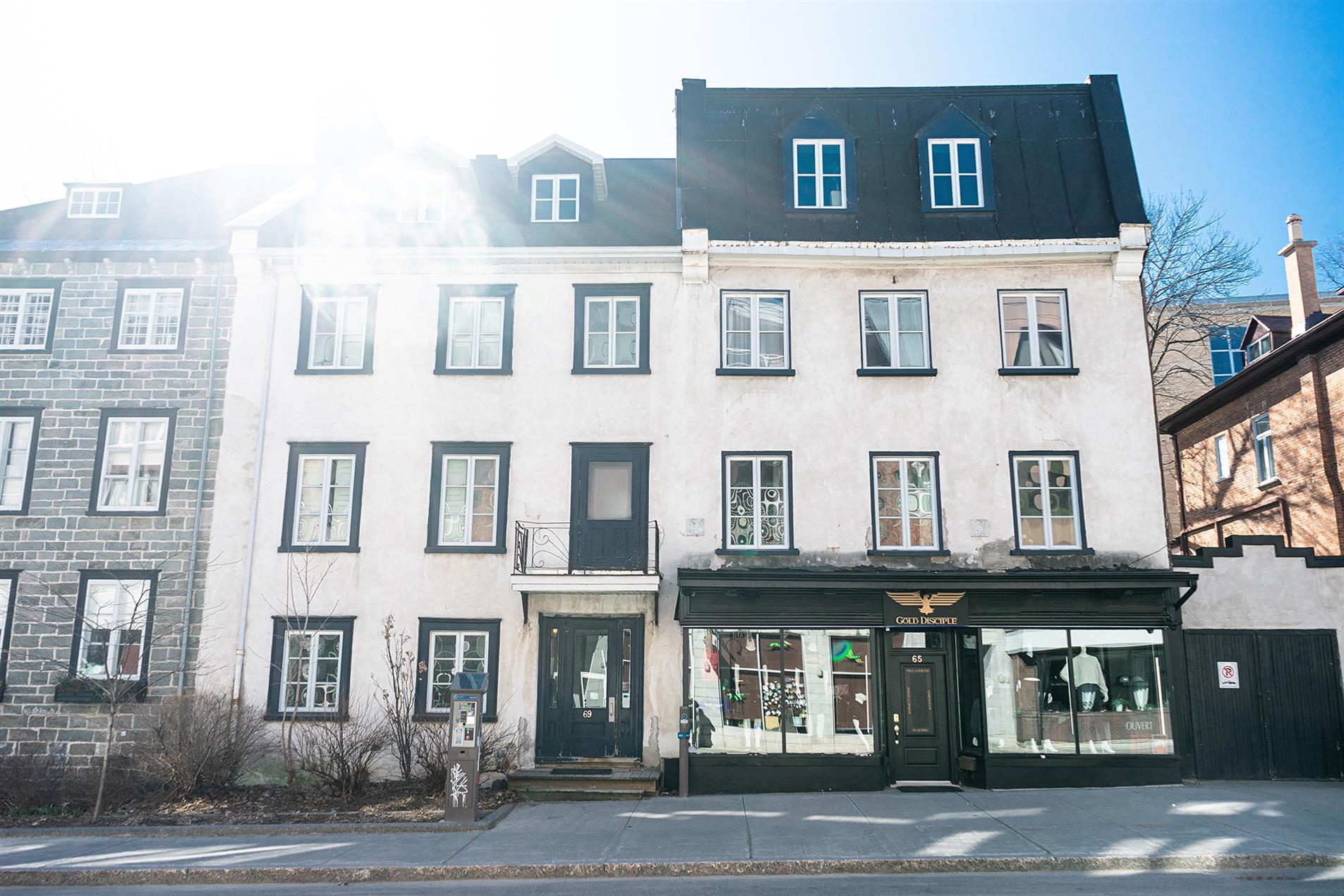
Thorough investigation prevents costly surprises. The Groupe Murray due diligence process covers:
Financial Verification
Trust but verify all income claims:
- Request actual leases for all units
- Obtain rent roll with tenant names and terms
- Review bank statements showing deposits
- Analyze historical occupancy
- Compare rents to market rates
- Examine expense history (2-3 years minimum)
Physical Inspection
Understand the property’s condition:
- Professional inspection by qualified inspector
- Roof assessment with remaining life estimate
- Mechanical systems evaluation
- Electrical system review
- Plumbing inspection
- Foundation and structural assessment
- Environmental concerns (asbestos, lead, mold)
- Unit-by-unit condition review
Murray Immeubles budgets inspection costs as essential investment, not optional expense.
Legal Review
Ensure clean acquisition:
- Title search for ownership and liens
- Survey or certificate of location
- Zoning compliance verification
- Building permit history
- Outstanding violations check
- Lease review for unusual terms
- Tenant estoppel certificates
Market Analysis
Understand the competitive environment:
- Comparable rental rates
- Vacancy rates in the area
- New construction pipeline
- Neighborhood trends
- Employment and demographic factors
- Future development plans
Frederic Murray has developed relationships with professionals who assist in thorough due diligence.
Financing Multi-Family Acquisitions
Capital structure significantly impacts returns. Immeubles Murray understands financing options:
Residential Financing (1-4 Units)
Owner-occupied advantages:
- Down payment as low as 5% with CMHC insurance
- Conventional terms: 20% down without insurance
- Competitive interest rates
- 25-30 year amortization
- Personal income qualification
Commercial Financing (5+ Units)
Income-based underwriting:
- Typically 25% or higher down payment
- Property income drives qualification
- DSCR requirements (usually 1.2+)
- Shorter amortization (often 20-25 years)
- Potentially higher rates
- More documentation required
Alternative Financing Sources
Beyond traditional banks:
- Credit unions (often more flexible)
- Private lenders (higher rates, faster closing)
- Seller financing (creative deal structures)
- Joint venture partners
- Syndication for larger properties
The BRRRR Strategy
A powerful wealth-building approach:
- Buy undervalued property
- Rehab to increase value and income
- Rent to stabilized occupancy
- Refinance based on new value
- Repeat with extracted capital
The Groupe Murray has employed this strategy to accelerate portfolio growth.
Value-Add Strategies
Creating value beyond market appreciation. Frederic Murray shares proven approaches:
Rent Optimization
Bringing rents to market levels:
- Analyze current rents versus comparables
- Implement increases upon lease renewal
- Add value to justify higher rents
- Improve unit finishes during turnover
- Consider amenity additions
Expense Reduction
Improving operational efficiency:
- Competitive bidding for services
- Energy efficiency upgrades
- Water conservation measures
- Insurance shopping
- Property tax appeals when warranted
- Management efficiency improvements
Murray Immeubles continuously optimizes expenses across the portfolio.
Physical Improvements
Strategic renovations that increase value:
High-Impact Improvements:
- Kitchen updates (cabinets, counters, appliances)
- Bathroom renovations
- Flooring replacement
- In-unit laundry addition
- Modern lighting and fixtures
Building-Wide Improvements:
- Common area upgrades
- Exterior improvements
- Security enhancements
- Parking lot repair
- Landscaping upgrades
Income Addition
Creating new revenue streams:
- Parking space rental
- Storage unit fees
- Laundry facilities
- Pet fees
- Utility billing (if currently included)
- Furnished unit premiums
Frederic Murray evaluates value-add potential in every acquisition opportunity.
Property Management Decisions
Luxury Apartment with modern bedroom and kitchen, two bathroom and modern appliances in Quebec
© 2025
How you manage impacts returns significantly. Immeubles Murray weighs management options:
Self-Management
Handling everything yourself:
Advantages:
- No management fees (typically 5-10%)
- Direct tenant relationships
- Immediate decision making
- Complete control
- Learning opportunity
Disadvantages:
- Time intensive
- Learning curve and mistakes
- Limited scalability
- Stress and hassle
- Opportunity cost
Professional Management
Hiring experienced managers:
Advantages:
- Time freedom
- Professional systems
- Legal compliance expertise
- Contractor networks
- Scalability
- Reduced stress
Disadvantages:
- Management fees reduce returns
- Less direct control
- Quality varies by manager
- Communication layers
Hybrid Approaches
Combining elements:
- Self-manage smaller properties
- Hire management as portfolio grows
- Use technology to improve efficiency
- Outsource specific functions
The Groupe Murray has developed professional management capabilities over nearly 20 years.
Building a Multi-Family Portfolio
Growing beyond a single property. Frederic Murray shares portfolio-building strategies:
Start with What You Can Handle
Build experience before scale:
- First property teaches essential lessons
- Master management before adding complexity
- Mistakes on small properties cost less
- Confidence grows with success
Reinvest Cash Flow
Compound growth through reinvestment:
- Save positive cash flow for next down payment
- Accelerate mortgage paydown on existing properties
- Build reserves for opportunities
- Avoid lifestyle inflation
Leverage Equity Strategically
Access trapped capital:
- Refinance as values increase
- Use extracted equity for new acquisitions
- Maintain prudent loan-to-value ratios
- Don’t over-leverage
Murray Immeubles has grown through disciplined reinvestment and strategic refinancing.
Diversify Thoughtfully
Spread risk across the portfolio:
- Multiple neighborhoods
- Various building sizes
- Different tenant demographics
- Mix of property ages
Know When to Sell
Portfolio optimization sometimes requires sales:
- Underperforming properties
- Markets with declining fundamentals
- Properties requiring excessive capital
- 1031 exchange opportunities (in applicable jurisdictions)
- Rebalancing considerations
Common Mistakes to Avoid

Experience teaches valuable lessons. Frederic Murray warns against:
Overpaying Based on Pro Forma
Sellers present optimistic projections:
- Verify actual income, not potential
- Use realistic expense assumptions
- Apply appropriate cap rates
- Account for deferred maintenance
Underestimating Renovation Costs
Improvements always cost more than expected:
- Get multiple contractor bids
- Add 20-30% contingency
- Account for vacancy during renovation
- Include carrying costs in budget
Ignoring Location Fundamentals
Property quality can’t overcome poor location:
- Employment drivers matter
- Transportation access is essential
- School quality affects family rentals
- Crime statistics impact demand
- Neighborhood trajectory is crucial
Insufficient Cash Reserves
Real estate requires financial cushion:
- Minimum 6 months operating expenses
- Capital reserve for major repairs
- Vacancy reserve
- Opportunity fund for deals
Immeubles Murray maintains strong reserves across the portfolio.
Growing Too Fast
Scale without systems creates chaos:
- Master operations before expanding
- Build team and systems incrementally
- Quality over quantity
- Sustainable growth beats rapid expansion
The Quebec City Advantage
Why Groupe Murray focuses on this market:
Stable Economy
Diversified employment base:
- Government sector stability
- Healthcare and education
- Growing technology sector
- Tourism resilience
Strong Rental Demand
Multiple demand drivers:
- University student population
- Young professionals
- Immigration growth
- Aging population seeking rentals
Reasonable Entry Points
Compared to other Canadian markets:
- Lower prices than Montreal, Toronto, Vancouver
- Better cap rates
- Less speculative activity
- Value-oriented market
Quality of Life
Attracts and retains residents:
- Safety and security
- Cultural amenities
- Natural beauty
- Affordable living
Frederic Murray remains committed to Quebec City after nearly 20 years of successful investing.