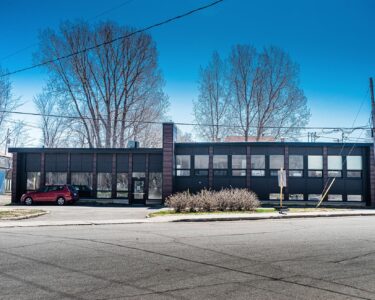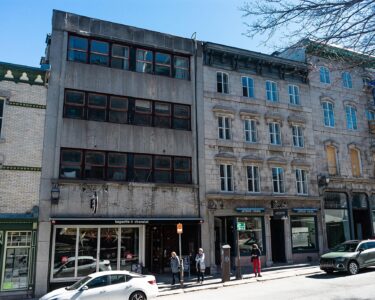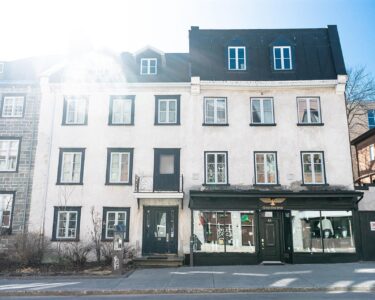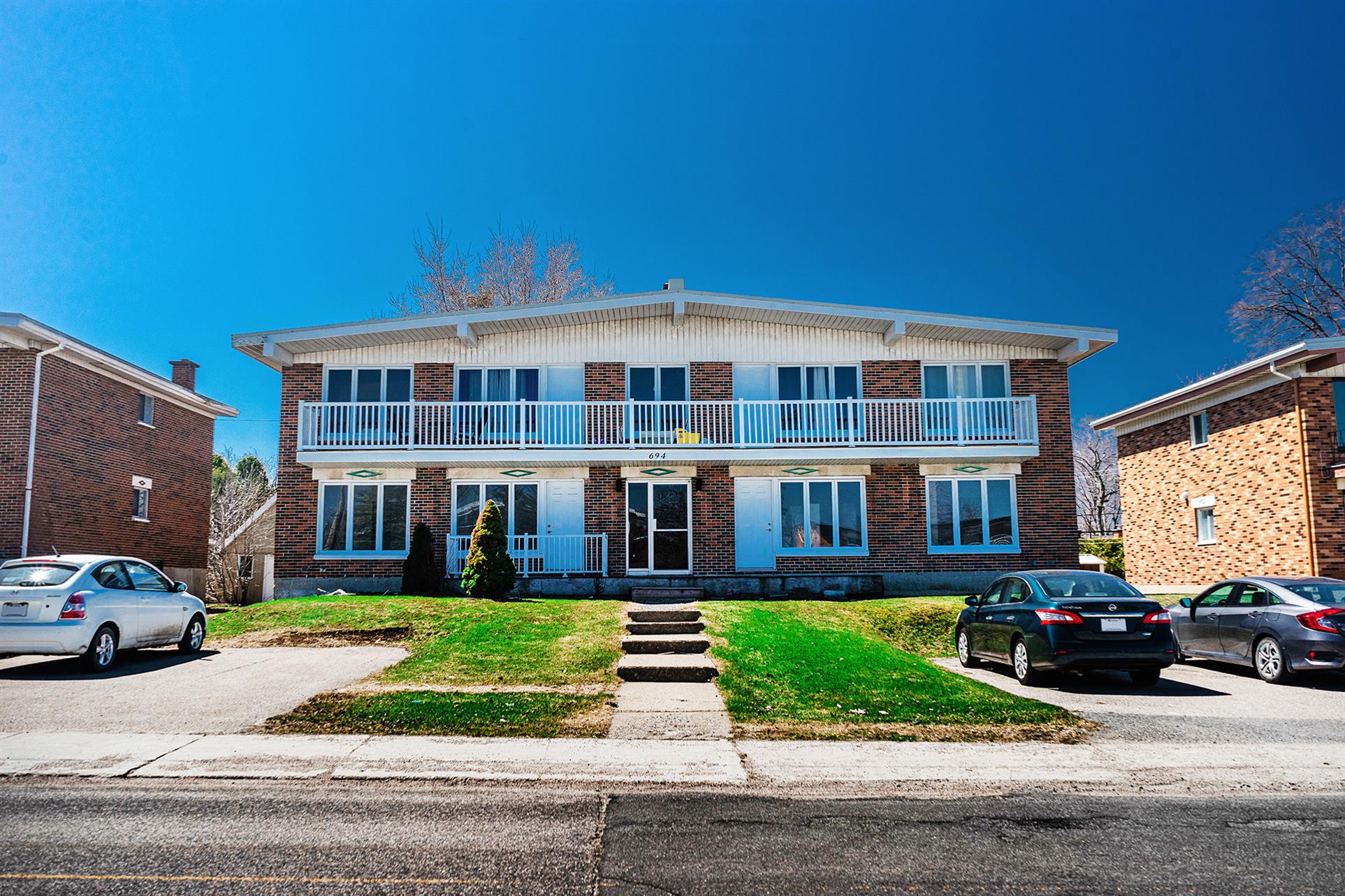
Quebec City is home to one of the richest collections of heritage architecture in North America. From centuries-old stone facades in the Old Town to early twentieth-century walk-ups in neighborhoods like Saint-Jean-Baptiste and Montcalm, these buildings carry a visual identity and cultural weight that modern construction simply cannot replicate. For real estate investors willing to approach renovation with care and strategy, heritage buildings offer a unique opportunity to create premium rental assets that command higher rents, attract loyal tenants, and appreciate in value far beyond generic apartment stock.
Yet heritage renovation is not a casual undertaking. It demands a thorough understanding of municipal preservation requirements, specialized construction techniques, and a clear financial model that accounts for both the higher upfront costs and the superior long-term returns these properties can deliver. Investors who get it right build portfolios with lasting competitive advantages. Those who approach it without preparation often face regulatory delays, budget overruns, and frustration.
Why Heritage Properties Command Premium Market Positions
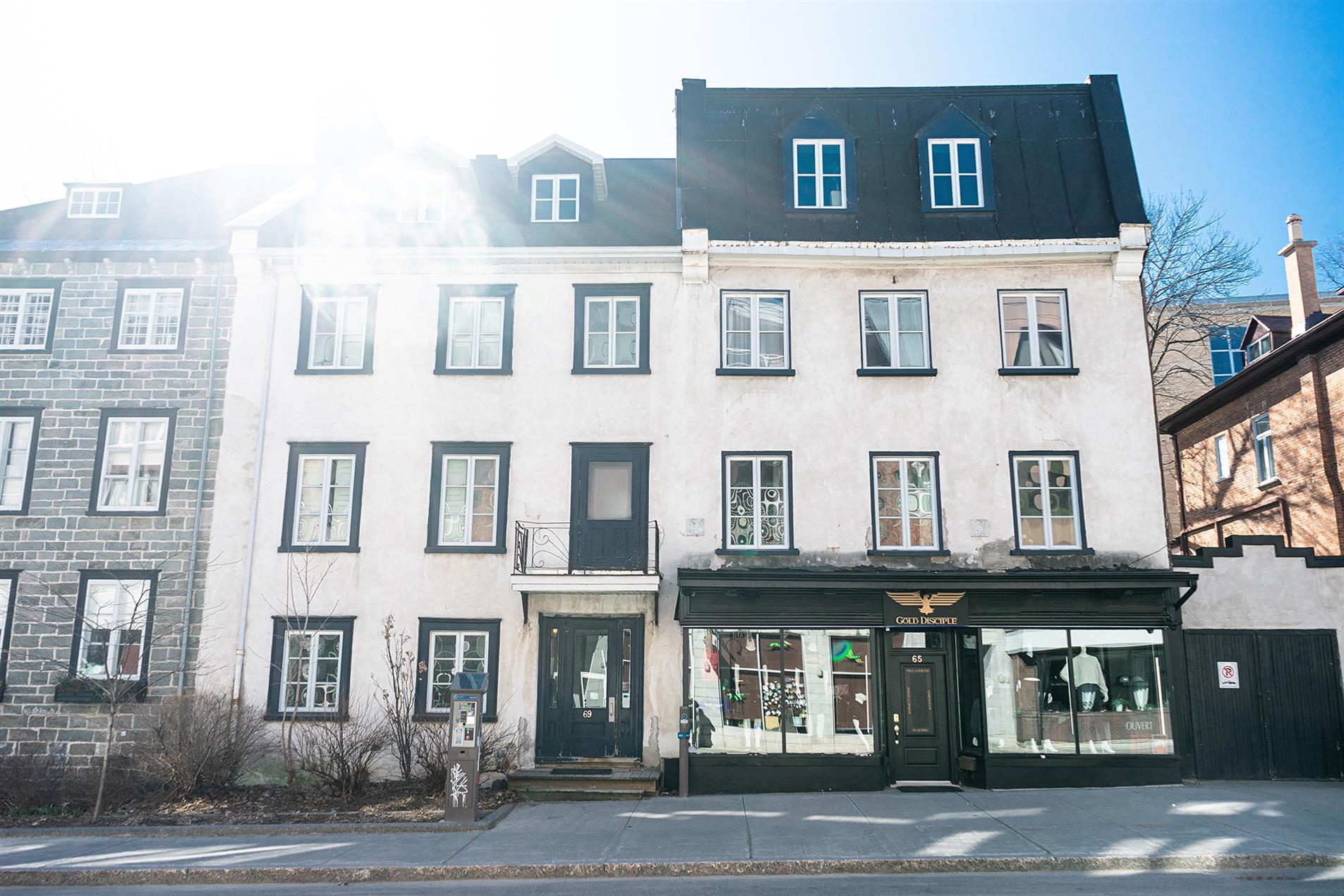
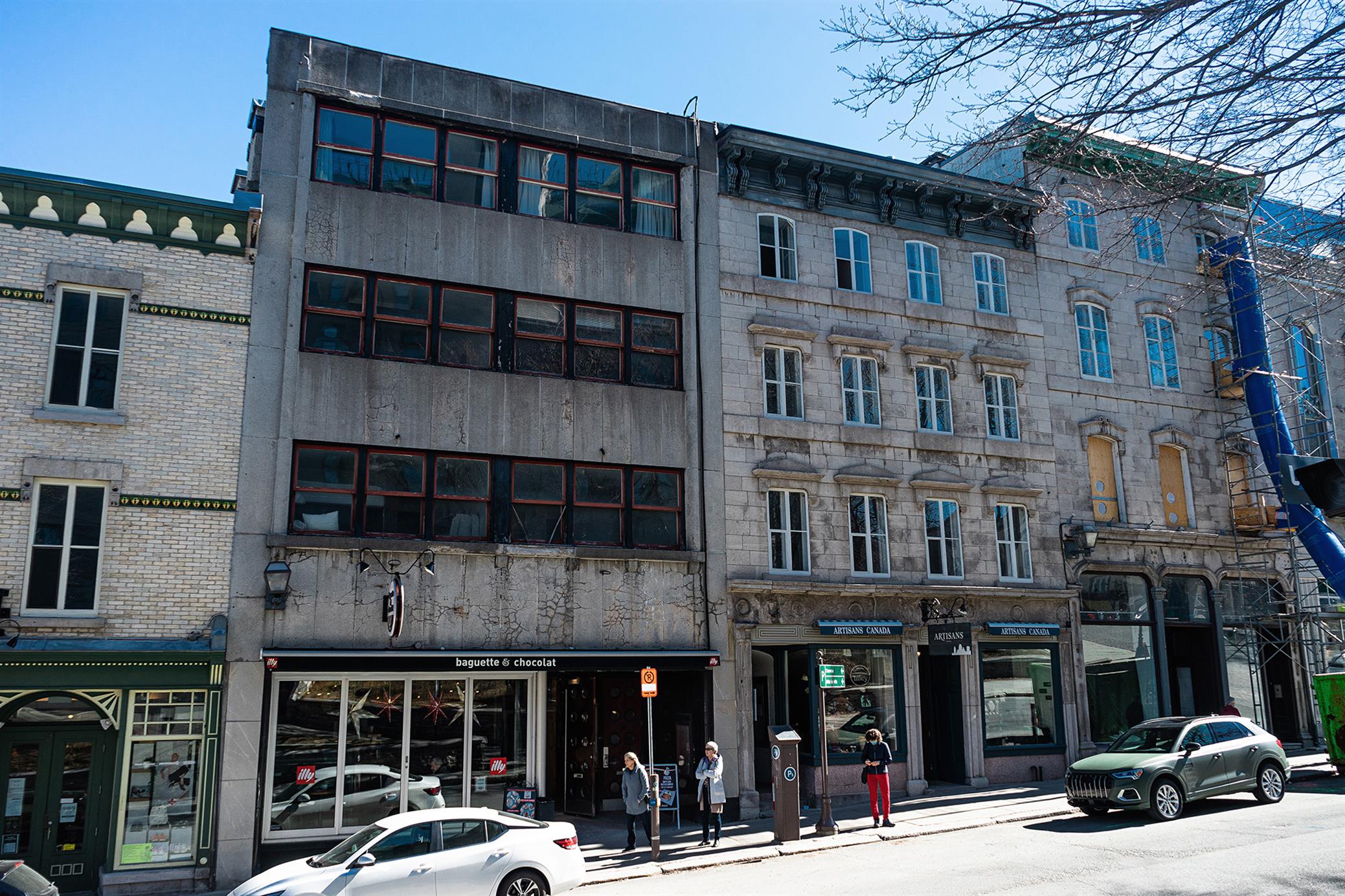
The appeal of heritage buildings goes far beyond aesthetics, though the visual impact is undeniable. Tenants who choose to live in heritage properties are often drawn by a combination of factors that create a distinctly different rental experience. Thick masonry walls provide natural sound insulation that modern drywall partitions cannot match. Higher ceilings, original hardwood floors, and architectural details like crown moldings and exposed brick create spaces with genuine character. The neighborhoods where these buildings are located tend to be walkable, culturally vibrant, and rich in amenities — exactly the qualities that today’s most desirable tenants prioritize.
From an investment perspective, heritage properties benefit from scarcity. No one is building new heritage buildings. The supply is fixed, and as more of these properties are thoughtfully renovated and brought to modern standards, the remaining unrenovated stock shrinks further. This built-in supply constraint supports long-term value appreciation in a way that new construction developments, which face continuous competition from newer projects, cannot match.
Frédéric Murray recognized this dynamic early in his career when he began acquiring overlooked buildings in Quebec City that others dismissed as too old or too complicated. That willingness to see potential where others saw problems became the foundation of what is now a portfolio of over two hundred units. The market has since validated that vision, as investment groups now actively seek out Groupe Murray properties. You can explore current property insights and heritage building opportunities through murrayimmeubles.com and fredericmurrayproperties.com.
Navigating Municipal Preservation Requirements
Before any renovation work begins on a heritage building in Quebec City, investors must understand the regulatory landscape. Properties located within designated heritage zones, particularly in the Vieux-Québec and surrounding historic neighborhoods, are subject to oversight that governs exterior modifications, window replacements, signage, and sometimes even interior structural changes.
The City of Quebec’s urban planning department reviews proposed renovations to ensure they respect the architectural integrity of heritage buildings. This does not mean that modernization is prohibited — far from it. It means that renovations must be designed to complement the building’s original character rather than erase it. In practice, this often translates to requirements such as maintaining original window proportions even when replacing frames, using exterior materials and colors that are consistent with the building’s era, preserving or restoring original facade elements like cornices and masonry details, and ensuring that any additions or modifications are visually sympathetic to the original structure.
Working with architects and contractors who have specific experience in heritage renovation is essential. They understand how to navigate the approval process efficiently, anticipate requirements before they become obstacles, and deliver results that satisfy both regulatory bodies and market expectations. The renovation expertise reflected in properties managed through fredericmurrayimmeubles.com and murrayimmeuble.com demonstrates how compliance and quality design work hand in hand.
Balancing Authenticity With Modern Tenant Expectations
The most successful heritage renovations strike a careful balance between preserving the character that makes these buildings special and delivering the modern comforts that today’s tenants expect. Renters in the current market want reliable high-speed internet infrastructure, energy-efficient heating and cooling, modern kitchens and bathrooms, adequate storage, and in-unit laundry where possible. Failing to meet these expectations limits your tenant pool and constrains achievable rents regardless of how beautiful the building looks from the outside.
The key is integrating modern systems invisibly within the heritage framework. Electrical and plumbing upgrades can be routed through existing wall cavities and ceiling spaces with careful planning. Insulation can be added to interior walls without altering exterior facades. Modern kitchen cabinetry and bathroom fixtures can be selected in styles that complement rather than clash with original architectural details.
Flooring is a common decision point. Original hardwood floors in good condition should be refinished and preserved whenever possible — they are a significant selling point for heritage units. Where original flooring is damaged beyond practical repair, replacement materials should be chosen to maintain visual consistency with the building’s period. The same principle applies to lighting fixtures, door hardware, and trim details. Each choice either reinforces the property’s character or undermines it.
Investors who master this balance create units that stand out dramatically in a competitive rental market. Tenants feel they are getting something genuinely unique rather than a generic apartment in an old building with superficial cosmetic updates. This perception of uniqueness translates directly into higher rents, lower vacancy, and stronger tenant retention. The approach to renovation practiced across the Murray portfolio, accessible through fredericmurrayhomes.com and fredericmurrayestates.com, consistently reflects this philosophy of authentic modernization.
Financial Planning for Heritage Renovation Projects
Heritage renovations typically carry higher per-unit costs than standard apartment renovations due to the specialized materials, skilled labor, and regulatory compliance involved. However, the financial model for these projects often proves more favorable than the initial cost comparison suggests when you account for the revenue side of the equation.
Begin with a detailed scope of work developed in collaboration with your architect and contractor. Identify which elements are structurally or regulatorily required versus those that are discretionary upgrades. Prioritize spending on items that directly impact tenant safety, comfort, and willingness to pay premium rents. Essential systems like electrical, plumbing, heating, and fire safety should never be compromised. Cosmetic upgrades that enhance character and appeal should be funded next. Discretionary features can be phased in over time as cash flow permits.
Quebec offers several financial incentives for heritage building renovation. Provincial and municipal grant programs periodically provide funding for facade restoration, energy efficiency improvements, and heritage preservation projects. These programs change over time, so verify current availability before finalizing your budget. Even without grants, the tax benefits associated with building depreciation and renovation expenses can significantly improve the after-tax returns on heritage investment properties.
Create a realistic timeline that accounts for the longer approval and construction periods typical of heritage projects. Budget contingencies of fifteen to twenty percent above estimated costs are prudent for older buildings where hidden conditions are frequently discovered once walls are opened. A disciplined financial plan prevents the kind of mid-project cash shortfalls that force compromises in quality or scope.
Professional management from the outset helps ensure that renovation investments are protected over the long term. The management services coordinated through fredericmurraymanagement.com include preventive maintenance programs specifically designed for heritage properties, ensuring that the care invested during renovation continues throughout the building’s operational life.
Positioning Heritage Units in the Rental Market
Marketing heritage rental units requires a different approach than advertising standard apartments. The story of the building itself becomes a marketing asset. Tenants attracted to heritage properties respond to narrative, history, and a sense of place. Your listing descriptions should highlight the building’s architectural era, any historically notable features, and the unique qualities of the neighborhood.
Professional photography is essential. Heritage units photograph exceptionally well when shot with natural light that highlights textures like exposed stone, original woodwork, and period details. A small investment in quality listing photos generates outsized returns in tenant interest and inquiry volume.
Pricing should reflect the premium positioning of the units. Research comparable heritage rentals in your neighborhood and price accordingly. Underpricing heritage units to fill them quickly leaves money on the table, while overpricing relative to the amenities offered leads to extended vacancies. The rental market expertise shared through fredericmurrayrentals.com and fredericmurraylocation.com helps owners find the pricing sweet spot that maximizes both occupancy and revenue.
Heritage building investment in Quebec City sits at the intersection of cultural preservation and financial opportunity. When approached with the right knowledge, professional support, and long-term perspective, these properties deliver returns that extend well beyond the monthly rent check. They build lasting value, strengthen neighborhoods, and offer tenants a living experience that no newly constructed apartment can replicate. The Murray network, spanning murrayimmeubles.com, murrayimmeuble.com, and the broader family of Frédéric Murray sites, stands as a testament to what thoughtful heritage investment can achieve.