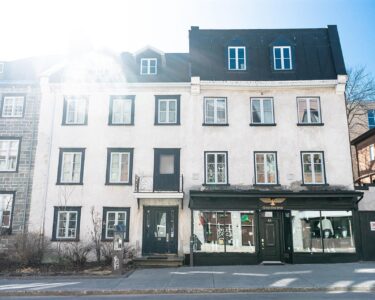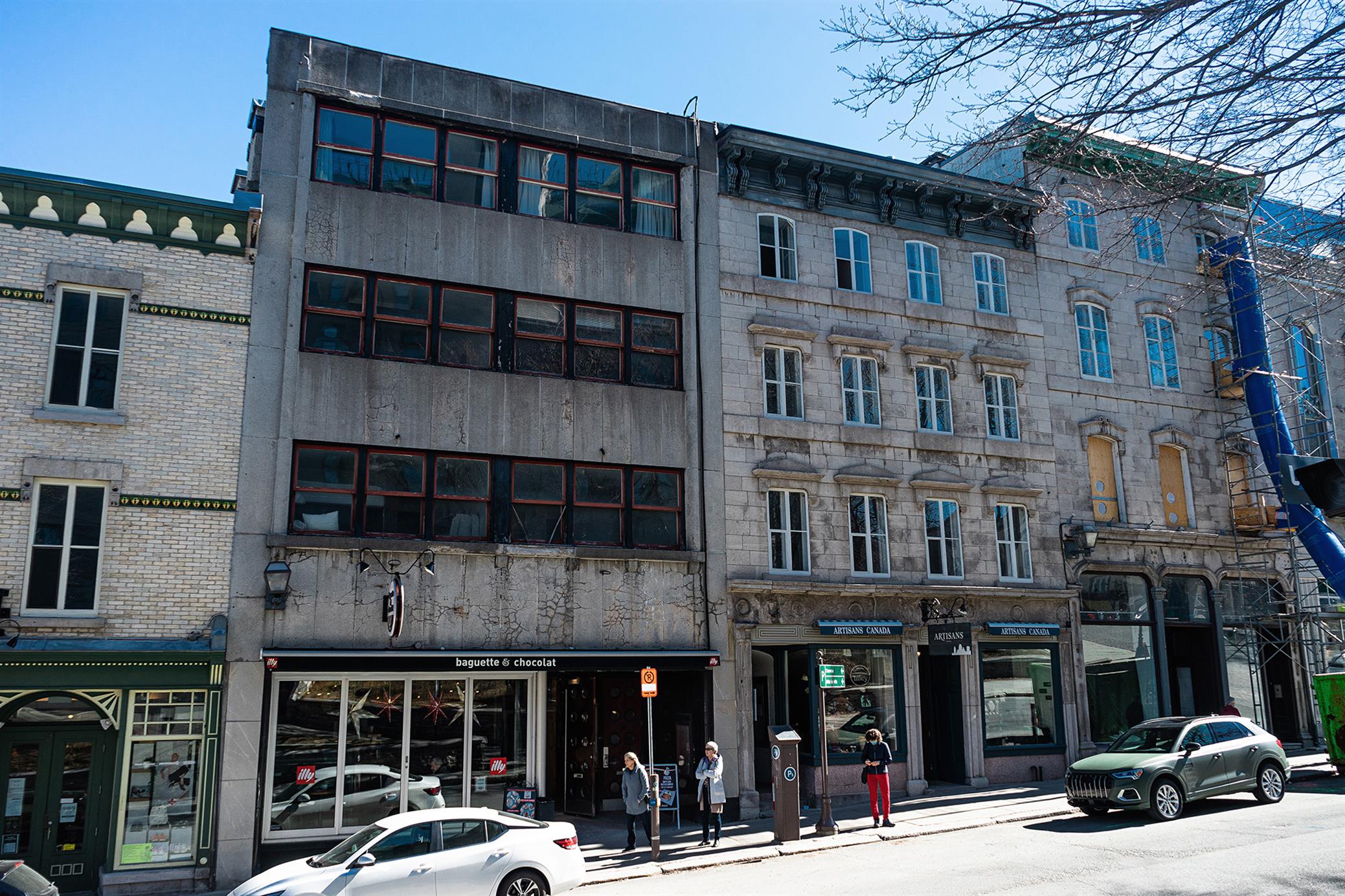
A mixed-use building combines commercial space and residential units in a single property — think a café or boutique on the ground floor with apartments above. In Quebec City, this format is woven into the fabric of historic neighbourhoods, where heritage buildings have blended commerce and living space for generations. For investors in 2026, these properties offer something a pure apartment building can’t: two different income streams under one roof.
That diversity is also what makes mixed-use buildings more complex. Commercial and residential tenants live under entirely different legal rules, and managing both requires a broader skill set. At Immeubles Murray Quebec, nearly twenty years specializing in Old Quebec’s character buildings have taught us that mixed-use can be a superb investment — for the buyer who understands what they’re taking on.
What is a mixed-use building?
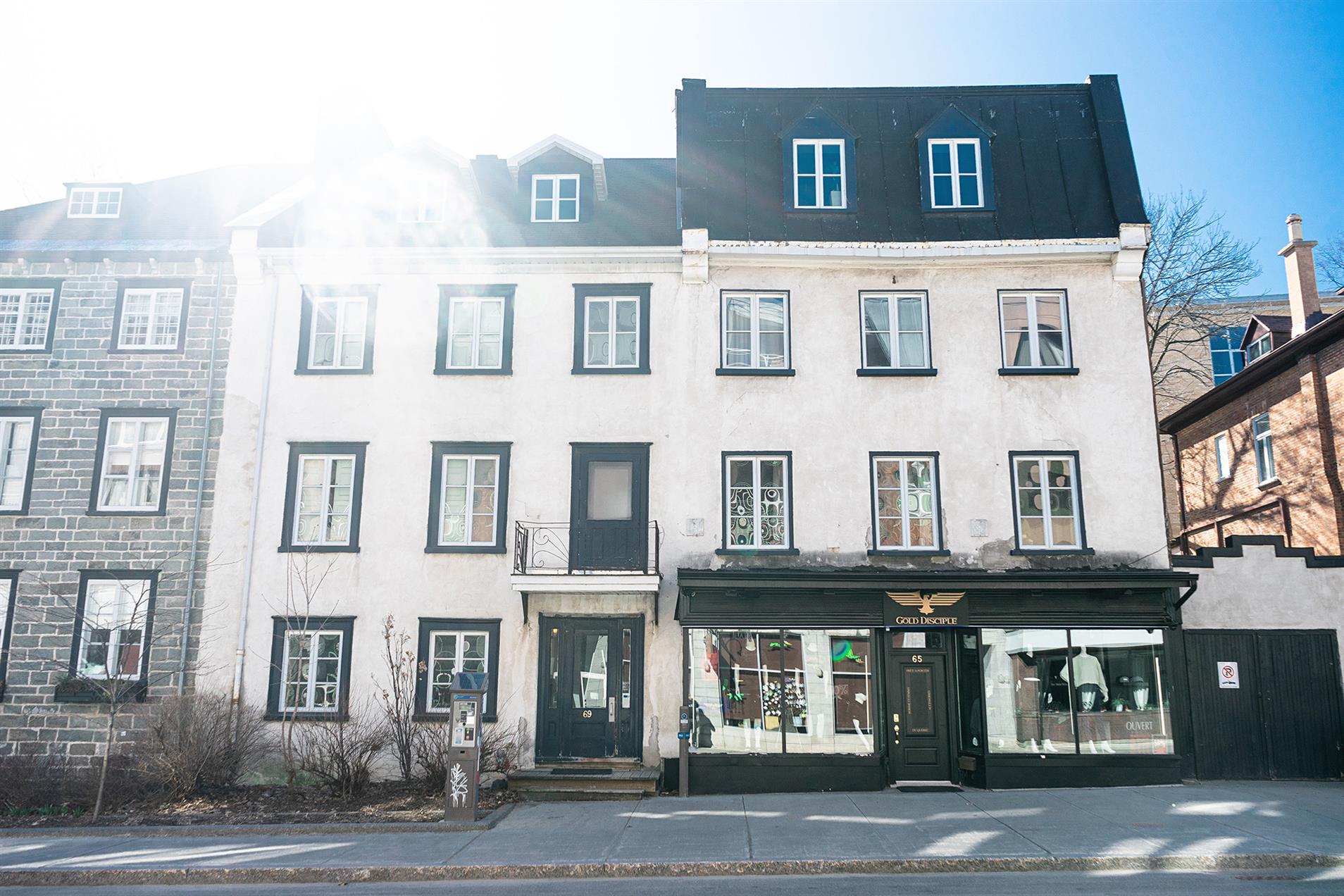
A mixed-use building is one property containing both commercial and residential uses. The most common configuration in Quebec City is a ground-floor commercial unit with residential apartments on the upper floors.
These properties are especially prevalent in heritage districts, where:
- Ground floors historically housed shops, cafés, or professional offices;
- Upper floors provided housing for owners or tenants;
- The building itself often carries architectural and heritage value.
This blend is part of what gives Old Quebec its character — and part of what makes these buildings attractive to investors who value both income and irreplaceable location.
The appeal: diversified income and prime locations
The central advantage of mixed-use is income diversification. When your revenue comes from both a commercial tenant and several residential units, you’re not entirely dependent on any single source.
This structure offers several benefits:
- Balanced risk: a residential vacancy hurts less when commercial income continues, and vice versa.
- Prime locations: mixed-use buildings often sit in walkable, high-demand neighbourhoods.
- Commercial upside: a strong commercial tenant can pay a premium for a well-placed storefront.
These buildings frequently occupy the kind of central, characterful locations that hold their value over time. For investors thinking in terms of long-term wealth, that location premium is a meaningful part of the appeal, much as it is when evaluating any multi-unit building before buying.
Commercial leases versus residential leases: a crucial difference
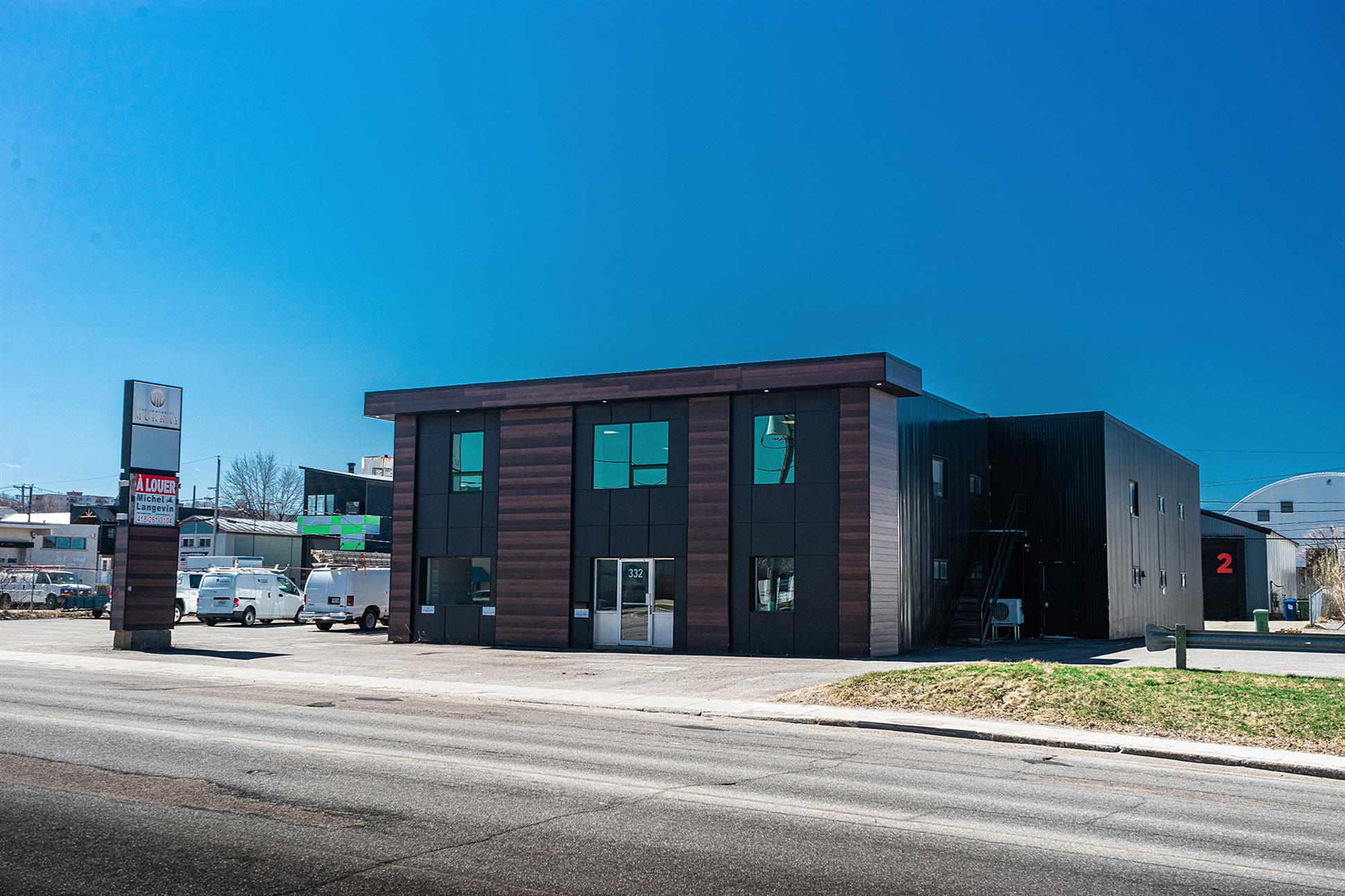
This is the single most important thing to understand before buying mixed-use: commercial and residential tenants are governed by completely different rules. Treating them the same is a costly mistake.
The residential units are regulated by the Tribunal administratif du logement, with rent control, lease-renewal rights, and strong tenant protections. The commercial unit is not. Commercial leases in Quebec are governed by the Civil Code and are largely a matter of free negotiation, which means:
- Terms are negotiated directly between owner and commercial tenant, often for longer periods.
- Rent and increases aren’t subject to residential-style controls.
- Cost-sharing clauses (taxes, insurance, maintenance) are common in commercial leases.
- Fewer statutory protections apply, so the written lease governs almost everything.
This dual regime is the heart of mixed-use investing. A well-structured commercial lease can be highly favourable to the owner, but it must be negotiated and documented carefully. Because the stakes are high, professional legal guidance is essential, and authoritative information on real estate transactions is available through the Organisme d’autoréglementation du courtage immobilier du Québec (OACIQ).
What to check before buying a mixed-use property
Due diligence on a mixed-use building is broader than on a standard apartment building, because you’re evaluating two kinds of tenancy at once. Before making an offer, dig into both sides.
Key items to verify include:
- Zoning, confirming the commercial use is permitted and conforming.
- The commercial lease, including its remaining term, rent, and renewal options.
- Commercial tenant strength, since a stable, established business is far less risky.
- The residential leases and rents, reviewed the same way as any multi-unit purchase.
- Building condition and history, including any environmental considerations from past commercial use.
A long lease with a strong commercial tenant adds real value and stability; a soon-to-expire lease with a struggling business is a very different proposition. Knowing the difference before you buy is what separates a smart acquisition from an expensive surprise.
Financing and managing a mixed-use building
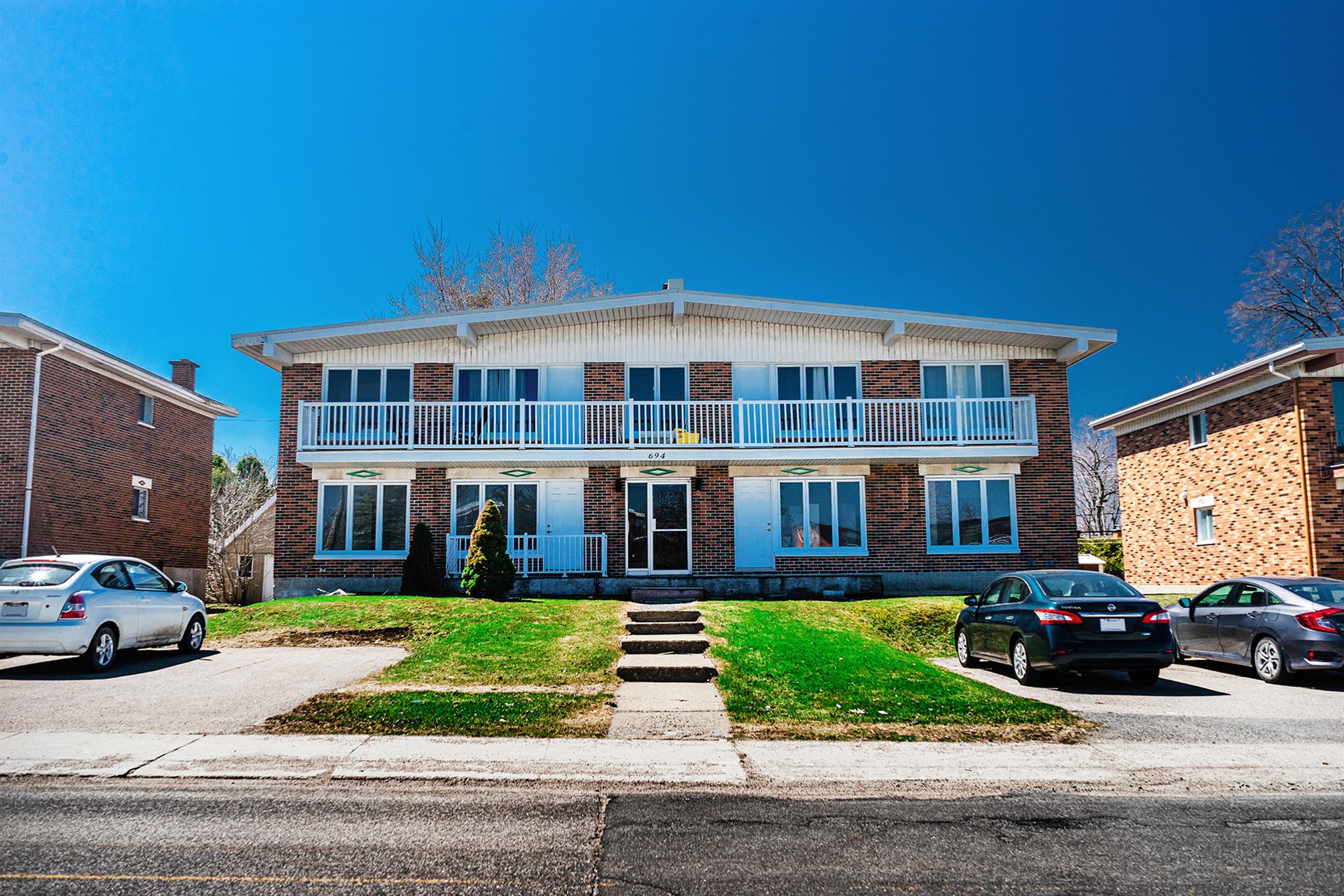
Financing a mixed-use building often differs from financing a standard apartment building. When commercial income makes up a significant share of the revenue, lenders may treat the property as commercial, which can change the down payment, rates, and terms.
On the management side, you’re effectively running two operations:
- The residential side follows familiar rules of tenant relations and TAL compliance.
- The commercial side involves lease negotiation, cost recoveries, and business-tenant relationships.
This added complexity is manageable, but it rewards organization and the right systems. Investors building toward a larger holding will recognize this as part of treating real estate like a business, a theme we explore in our guide on scaling a multi-unit portfolio.
Risks and how to manage them
Mixed-use buildings carry risks that pure residential properties don’t, and the smart investor plans for them. The commercial component, in particular, behaves differently from residential.
The main risks to manage:
- Longer commercial vacancies: re-leasing a storefront can take far longer than an apartment.
- Economic sensitivity: commercial tenants are more exposed to downturns than residential ones.
- Tenant mix: the wrong commercial tenant can affect the building’s appeal and the residents above.
- Higher upkeep on heritage buildings, which demand specialized care.
You can mitigate these by favouring strong commercial tenants on solid leases, maintaining a financial cushion for vacancy, and keeping the building in excellent condition. Reducing operating costs helps too — our article on energy-efficient upgrades that boost multi-family value applies equally to the residential portion of a mixed-use property. Handled well, a mixed-use building rewards the investor with diversified income and a foothold in some of Quebec City’s most desirable locations.