
How to Maximize Rental Income from Your Property
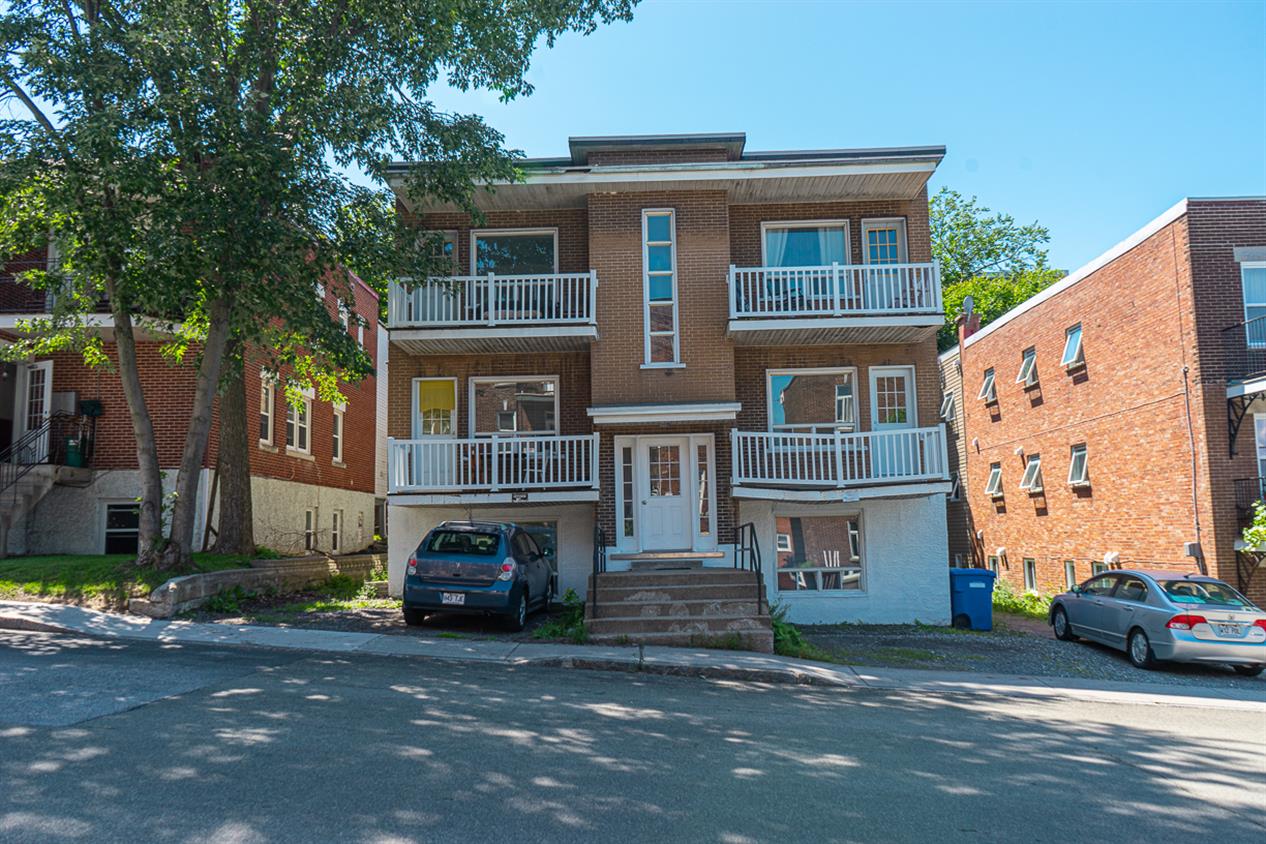
Owning rental property is a smart way to grow your wealth. However, to maximize your earnings, you need more than just tenants. Successful landlords always look for ways to increase their returns. They also want to keep property values high and ensure tenant satisfaction.
At Murray Immeubles, we have helped many property owners enhance their rental portfolios. In this guide, we will share proven strategies to boost your rental income. By following these tips, you can make your investment work harder for you.
1. Price Your Rental Competitively
Setting the right rental price is crucial. If you set the price too high, your property may sit empty. On the other hand, if you set it too low, you might lose money each month.
To find the right price, research similar properties in your area. Look at factors like location, amenities, property condition, and seasonal demand. Regularly reviewing and adjusting your pricing can help you stay competitive and maximize your income. For market insights and property comparisons, check out Frederic Murray Properties and Frederic Murray Estates.
A recent study from the National Association of Realtors found that pricing your rental unit competitively can cut vacancy rates by up to 30%. This highlights how important market research and strategic pricing are.
According to industry experts, maintaining a flexible pricing strategy that adapts to market conditions can significantly enhance rental income. They suggest conducting regular assessments of local rental markets to ensure your pricing remains competitive.
Understanding Market Trends
To stay ahead, keep up with real estate trends in your area. Use resources like Zillow or local real estate reports to track rental price changes and market demands. For example, during peak moving seasons, like summer, consider raising your prices slightly to take advantage of increased demand.
Experts recommend using rental market analytics tools for better insights into pricing trends. These tools can help you set a competitive price based on real-time data. This can lead to improved rental income.
Industry research shows that using multiple listing services (MLS) gives landlords valuable insights into market trends. By accessing comprehensive data on rental rates and occupancy levels, landlords can make informed pricing decisions that align with market conditions.
It’s important to revisit pricing strategies regularly, especially in fluctuating markets. Adjustments based on recent data can help landlords avoid long vacancies and ensure competitive positioning.
According to a report by the Urban Land Institute, cities with dynamic rental markets often see fluctuations in pricing based on demand and supply. Keeping an eye on these dynamics can help landlords adjust their strategies accordingly.
Expert Insights: According to industry experts, conducting a comparative market analysis (CMA) can provide landlords with a deeper understanding of competitive pricing.
It involves analyzing similar properties in the same geographic area, considering factors such as square footage, amenities, and recent rental agreements. This informed approach can help landlords set prices that attract quality tenants while maximizing income.
2. Reduce Vacancy Periods
Every day your property is empty costs you money. Reducing vacancy periods is one of the best ways to increase your annual rental income.
Start marketing your property before your current tenants move out. Respond quickly to inquiries and make the application process easy. Offering incentives for lease renewals helps you keep good tenants longer and cuts down on turnover costs. You can find qualified tenants quickly through Frederic Murray Rentals and Frederic Murray Location.
Statistics show that properties with proactive marketing strategies have a 25% shorter vacancy period, on average. This shows the need for landlords to be proactive and anticipate tenant turnover.
According to the National Multifamily Housing Council, properties that utilize digital marketing strategies can see a significant reduction in vacancy times, as these methods reach a broader audience effectively.
Effective Marketing Strategies
Use social media platforms and rental listing websites to reach more potential tenants. High-quality photos and virtual tours can make your listing stand out and attract interest faster. Consider using targeted Facebook ads to reach specific groups that fit your ideal tenant profile.
Real estate professionals often stress the importance of professional photography and staging in listings. These elements can greatly improve first impressions and lead to quicker rentals at higher prices.
A survey by the National Association of Realtors found that listings with high-quality images receive 95% more inquiries than those with standard images. This statistic highlights the importance of investing in quality visuals for your rentals.
Experts recommend using online platforms that specialize in rental listings to maximize exposure. This includes utilizing tools that optimize listings for search engines, increasing visibility among potential tenants.
Research from the National Multifamily Housing Council suggests that properties that leverage social media for marketing see a 15% increase in engagement with potential tenants, underscoring the value of a robust online presence.
Credibility Markers: Certified real estate marketing professionals emphasize that utilizing analytics tools can help landlords measure the effectiveness of their marketing strategies. By tracking metrics such as click-through rates and inquiries, landlords can refine their approaches to ensure they are targeting the right audience effectively.
Additionally, industry reports indicate that properties that engage in consistent marketing efforts see a 20% increase in tenant inquiries compared to those that do not.
3. Make Strategic Upgrades That Justify Higher Rents
Not all property upgrades provide the same returns. Focus on improvements that tenants value most and that can justify higher rents.
Kitchen and bathroom updates usually offer the best return on investment. Adding energy-efficient appliances, modern flooring, and fresh paint can significantly raise your property’s perceived value. Smart home features, like programmable thermostats and keyless entry, attract today’s renters and can command higher prices.
A report from Remodeling Magazine notes that kitchen remodels can recoup up to 80% of their costs upon resale. This makes them a wise investment for rental properties as well.
Experts in property management recommend prioritizing upgrades that not only enhance aesthetics but also improve energy efficiency, as these features are increasingly sought after by tenants.
Prioritizing Upgrades
Before making upgrades, think about which improvements are most likely to attract tenants. For example, if your area has many families, investing in a durable outdoor space or child-friendly features could be wise. If your target demographic is young professionals, focus on modern amenities and being close to public transport.
Industry experts suggest conducting tenant surveys to understand what features are most desirable in your rental market. This feedback can guide your investment in upgrades to ensure they align with tenant preferences.
Data from the National Apartment Association indicates that properties with updated kitchens and bathrooms can command up to 30% higher rents. This shows the potential return on investment for strategic upgrades.
Certified professionals in property management stress the importance of aligning upgrades with current market demands and tenant preferences. This approach ensures that investments are not only appealing but also financially viable.
Research conducted by the National Association of Home Builders indicates that energy-efficient upgrades can lead to a 10-20% increase in rental prices, as tenants prioritize sustainability and cost savings in utility bills.
Expert Insights: In professional practice, landlords who focus on upgrades that enhance energy efficiency often report increased tenant satisfaction. Features such as energy-efficient windows and appliances not only appeal to environmentally-conscious renters but also reduce utility costs, making properties more attractive.
Furthermore, a study by the U.S. Green Building Council found that properties with sustainable features tend to have lower vacancy rates, as tenants increasingly seek eco-friendly living options.
4. Add Income-Generating Amenities
Think creatively about ways to generate extra revenue from your property. Many tenants are willing to pay more for conveniences that improve their living experience.
Consider offering furnished units at a higher price, adding in-unit laundry facilities, or providing dedicated parking spaces for an extra fee. You can also boost income by allowing pets with pet deposits or monthly pet rents. This can widen your tenant pool.
Research shows that properties offering additional amenities can charge up to 15% higher rents compared to those without. By strategically adding desirable features, you can significantly increase your rental income.
According to the National Multifamily Housing Council, properties that provide unique amenities, such as rooftop gardens or community workshops, see a marked increase in tenant interest and retention.
Examples of Profitable Amenities
Installing fitness facilities or community spaces that can be rented out for events can enhance the living experience. These amenities can also lead to higher rental prices. Additionally, offering high-speed internet as part of the rental package can attract tenants who work from home.
Certified property management professionals recommend focusing on amenities that align with lifestyle trends, such as remote work capabilities and wellness features. This can attract a broader tenant base.
A study by the National Multifamily Housing Council found that properties with fitness centers and communal workspaces saw a 20% increase in tenant retention. This demonstrates the financial benefits of investing in tenant-centric amenities.
Experts indicate that amenities which cater to remote workers, such as coworking spaces or strong Wi-Fi connectivity, are becoming increasingly important in attracting tenants in today’s market.
According to a recent survey conducted by the National Association of Realtors, 65% of renters state that access to fitness facilities and communal areas significantly influences their decision to rent. This indicates a strong demand for these amenities in the current rental landscape.
Transparency: It’s important to note that while adding amenities can increase rental income, landlords should conduct cost-benefit analyses to ensure that the added expenses do not outweigh the potential income generated. This strategic approach can safeguard against over-investment in features that may not yield expected returns.
Additionally, industry experts recommend regularly evaluating the performance of amenities to ensure they continue to meet tenant needs and preferences.
5. Screen Tenants Thoroughly
Problem tenants can cost you more than just unpaid rent. Late payments, property damage, and legal issues can drain your resources and peace of mind.
Implement a thorough screening process. This should include credit checks, employment verification, rental history, and references. Quality tenants pay on time, respect your property, and often stay longer. For professional tenant screening and placement services, Frederic Murray Management can help.
Best practices include adopting a standardized tenant screening process to ensure fairness and consistency. This approach not only protects your investment but also builds a reputation for being a responsible landlord.
Experts recommend that landlords stay updated on tenant screening laws and best practices to ensure compliance and minimize risks associated with tenant selection.
Best Practices for Tenant Screening
Develop a standardized process for all applicants. This ensures fairness and thoroughness. Include clear criteria for income levels, credit scores, and rental history. It’s also a good idea to conduct interviews to gauge the applicant’s personality and reliability.
Experts recommend using tenant screening software that automates background checks and verifies information efficiently. This can further reduce the risk of costly tenant issues.
Statistics reveal that landlords who implement a rigorous screening process experience a 40% decrease in tenant-related issues. This reinforces the necessity of thorough vetting.
It’s crucial to maintain compliance with fair housing laws during the screening process. Adopting best practices not only protects your investment but also fosters a more equitable rental environment.
A study by the Fair Housing Partnership indicates that landlords who adhere to fair housing regulations not only avoid legal complications but also enhance their reputations, attracting more quality tenants.
Professional Perspective: In professional practice, it’s essential to emphasize the importance of transparency in the tenant screening process. Clear communication about the criteria and procedures can help applicants understand expectations and foster trust, which can lead to a more positive landlord-tenant relationship.
Moreover, conducting thorough tenant screenings can lead to improved tenant retention rates, as quality tenants are likely to appreciate the professionalism of the landlord.
6. Maintain Your Property Proactively
Regular maintenance costs much less than emergency repairs. Conducting inspections and timely maintenance protects your investment and keeps tenants happy.
Well-maintained properties attract better tenants and justify higher rents. Create a maintenance schedule for major systems and respond promptly to tenant repair requests. Happy tenants tend to stay longer and take better care of your property.
Industry research indicates that properties with proactive maintenance plans not only experience fewer emergency repairs but also maintain higher tenant satisfaction levels.
Creating a Maintenance Plan
Make a checklist for regular inspections. Include HVAC systems, plumbing, and safety features. You can use software tools to track maintenance requests and schedule repairs efficiently. This organized approach can prevent larger issues from arising and save you money in the long run.
The Institute of Real Estate Management states that properties with proactive maintenance plans experience 20% fewer emergency repairs. This leads to increased tenant satisfaction and retention.
According to research from the National Association of Residential Property Managers, proactive maintenance can reduce overall operating costs by up to 15%. This emphasizes the financial advantages of regular upkeep.
Industry experts indicate that having a dedicated maintenance team can further enhance the tenant experience. This can lead to longer lease terms and reduced turnover.
Transparency is key; communicate with tenants about upcoming maintenance schedules and provide them with access to maintenance logs. This builds trust and reinforces tenant satisfaction.
Expert Insights: Experts in property management suggest that landlords should consider establishing a tenant feedback system regarding maintenance issues. This allows tenants to voice concerns and provides landlords with valuable information to prioritize repairs, ultimately enhancing tenant satisfaction and retention.
Additionally, implementing a responsive maintenance system can lead to increased tenant loyalty, as tenants appreciate timely responses to their needs.
7. Consider Professional Property Management
Managing rental properties effectively takes time and expertise. For many investors, hiring a professional manager can lead to better returns, even after accounting for management fees.
Property managers handle tenant screening, rent collection, maintenance coordination, and legal compliance. Their expertise often results in higher occupancy rates and better-maintained properties. Connect with Frederic Murray Immeubles for tailored management solutions for your portfolio.
Choosing the Right Property Management Company
When selecting a property management company, look at their experience, reputation, and services. Check for reviews or testimonials from other landlords. A good property manager should provide regular financial reports and be responsive to both tenants and property owners.
Industry standards suggest interviewing multiple property management companies to compare services and fees. This helps ensure you choose a partner that aligns with your investment strategy.
Research indicates that landlords who utilize professional property management services see an increase in rental income of approximately 10-20%. This showcases the value of expert management.
Experts often recommend considering property management firms that specialize in your property type and market. This ensures they understand the unique challenges and opportunities in your area.
According to the American Apartment Owners Association, property management companies that employ certified professionals often report a higher tenant satisfaction rate, which correlates to lower turnover rates and increased profitability.
Credibility Markers: It’s important to note that working with accredited property management professionals can also provide landlords with insights into local market trends and legal compliance, ensuring that properties are managed according to the highest industry standards.
Furthermore, engaging with certified property managers can enhance your understanding of tenant expectations, allowing you to tailor your services effectively.
8. Expand Your Portfolio Strategically
Increasing your rental income doesn’t always mean squeezing more from your current properties. Expanding your portfolio with additional properties can speed up wealth building.
Look for undervalued properties in growing markets or distressed assets that you can improve. Diversifying across different property types and locations reduces risk while increasing income potential. Check out acquisition opportunities through Frederic Murray Homes and Murray Immeuble.
Understanding Market Dynamics for Expansion
Before purchasing new properties, do thorough market research. Identify areas with job growth, infrastructure development, or population increases. These factors can indicate rising demand for rental properties, increasing your potential returns.
Data from the U.S. Census Bureau shows that areas with a growing population can see rental demand increase by as much as 40%. This makes thorough market analysis essential for identifying lucrative investment opportunities.
Experts recommend leveraging demographic data and economic indicators to identify emerging markets. This analytical approach can significantly enhance your investment strategy and increase your rental income potential.
It’s important to carefully consider financing options and potential returns when expanding your portfolio. This ensures that new investments align with your overall financial goals.
Furthermore, the National Association of Realtors suggests that diversifying your property types can buffer against market volatility, making your portfolio more resilient during economic downturns.
Expert Insights: Industry professionals advocate for building relationships with local real estate agents and market analysts. These connections can provide valuable insights into upcoming neighborhoods and investment opportunities that may not be widely known, giving you a competitive edge.
Additionally, establishing a network of real estate professionals can facilitate access to off-market deals, enhancing your investment strategy.
Unlock Your Property’s Full Potential
Maximizing rental income requires strategy, attention to detail, and sometimes professional guidance. Contact Murray Immeubles today to learn how we can help you optimize your rental property investments.


Key Takeaways: To maximize your rental income, it is essential to combine competitive pricing, effective marketing, strategic upgrades, and thorough tenant screening.
Regular maintenance and professional management can further enhance your property’s performance. By staying informed about market trends and tenant preferences, landlords can make data-driven decisions that increase profitability and tenant satisfaction.
In conclusion, maximizing rental income from your property is a multifaceted endeavor that requires ongoing education and adaptation to changing market conditions. Engaging with industry experts and leveraging data can provide a significant advantage in this competitive landscape.
Ultimately, successful landlords not only focus on immediate financial returns but also on building long-term relationships with their tenants and maintaining the value of their investments.