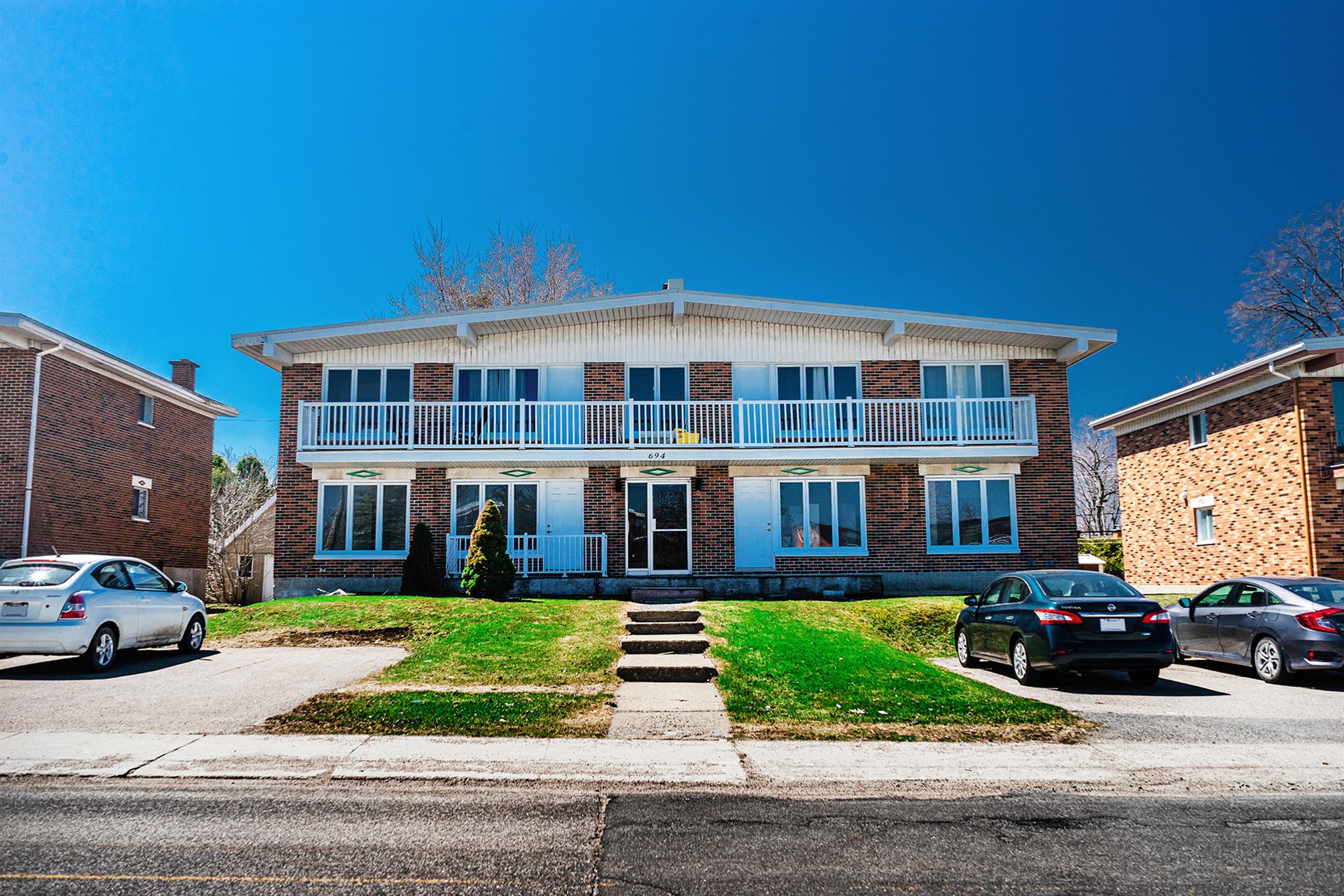
Heritage character buildings captivate buyers. Original hardwood floors, crown molding, exposed brick, vintage fireplaces—these features command premiums. But they come with costs most buyers never anticipate. A Victorian manor that looks charming can hide decades of deferred maintenance, expensive restoration requirements, and regulatory restrictions that limit how you can modify or develop the property.
In Quebec in 2026, heritage buildings operate under a different set of rules. Understanding these regulations—and their financial impact—is essential before committing to purchase.
Understanding Heritage Designation in Quebec
Not all character buildings are officially designated heritage properties. But many are. Quebec’s heritage building categories include:
Immovables of National Importance are registered with the Répertoire du patrimoine québécois. These receive the highest protection. Modifications require approval from Heritage Quebec. You cannot demolish these buildings or significantly alter their character without provincial review. This restriction is permanent and transfers with property ownership.
Buildings Protected by Municipal Bylaws are designated at the city level. Montreal, Quebec City, and other municipalities maintain heritage registers. Properties on these lists have local protection—similar to national listings but administered locally. Modification requires municipal heritage approval.
Non-designated Character Buildings have architectural or historical value but lack formal protection. These offer more freedom to modify but may still fall under broader municipal historic district regulations.
Before purchasing any heritage-looking building, determine its exact designation status. This dramatically affects what you can do with the property.
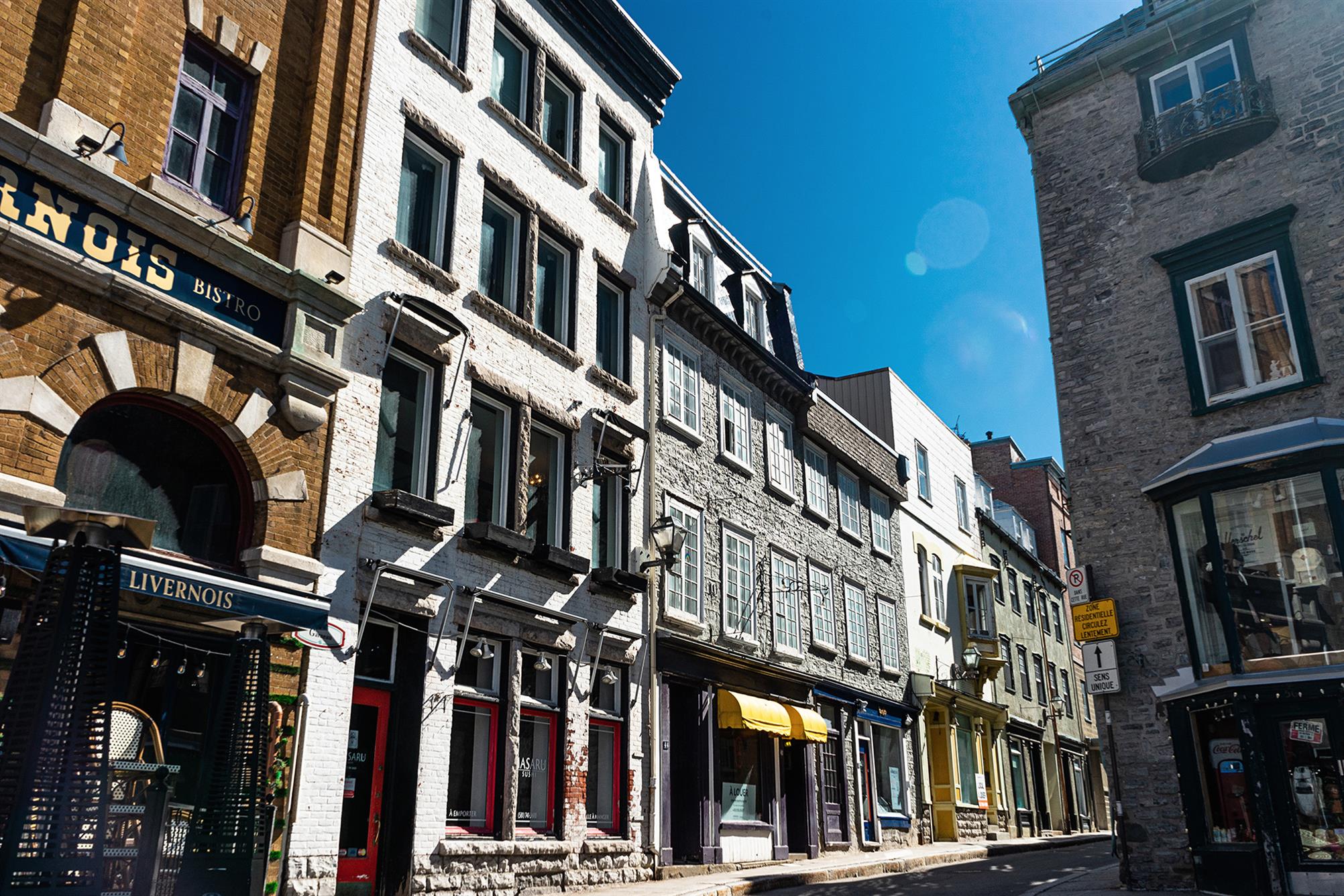
The Hidden Cost: Mandatory Restoration and Preservation Standards
Designated heritage buildings trigger mandatory preservation requirements. You cannot simply renovate to modern standards—you must maintain original character elements according to heritage guidelines.
What does this mean practically? Paint the exterior in an unapproved color, and you’ll receive a violation notice. Replace original windows with modern ones without approval, and you might be forced to restore them to period-appropriate specifications at your cost. Add an exterior HVAC unit that’s visible from the street? Not approved.
These restrictions exist for good reason—they preserve neighborhood character and architectural integrity. But they cost money. A full restoration of a Victorian building might cost $500-$1,500 per square foot, compared to $150-$300 for standard renovation.
Specific costs include:
Window restoration: Heritage buildings often have original single-pane wood windows. Replacing them with modern double-pane windows is restricted. Instead, you must restore original windows or install historically accurate reproductions—typically $800-$1,500 per window compared to $200-$400 for standard replacement windows.
Facade work: Brick, stone, or historic siding cannot be painted over or replaced without approval. Repointing mortar joints requires matching original mortar composition—a specialized task costing $50-$100 per linear foot. A facade requiring 500 linear feet of repointing costs $25,000-$50,000.
Roofing: Heritage buildings often require original slate, clay tile, or period-appropriate shingles. These cost 2-3x standard asphalt shingles. A roof replacement that would cost $15,000 in standard materials might cost $40,000-$60,000 in heritage-approved materials.
Interior systems: Running new electrical, plumbing, or HVAC through a heritage building without disrupting original character elements is expensive. You cannot simply cut walls—you must route systems carefully and conceal them in ways that don’t damage original finishes.
Mechanical systems: HVAC, plumbing, and electrical updates must work around original architecture. A simple furnace replacement in a modern home costs $6,000-$8,000. In a heritage building with tight spaces and preservation restrictions, it can cost $10,000-$15,000 due to custom installations and approval requirements.
Multiply these costs across all building systems, and a heritage property renovation can easily exceed $1 million for a modest four-story commercial/residential building.
Financing Heritage Properties: Lender Caution
Lenders scrutinize heritage properties carefully. Appraisers must account for:
- Deferred maintenance that requires specialized restoration
- Uncertainty about actual condition behind original facades
- Market value limitations due to modification restrictions
- Longer timelines and higher costs for required repairs
A 100-year-old building that looks acceptable externally might have:
- Structural issues hidden behind plaster
- Outdated electrical systems (fire hazard)
- Asbestos in original insulation and finishes
- Lead paint throughout
- Foundation settlement or water intrusion
- Knob-and-tube wiring or other obsolete systems
These discoveries drive up renovation costs dramatically. A lender might value the property at $800,000 based on comparable sales, but require $200,000 in capital reserves before funding—because they know restoration will be expensive.
Some lenders avoid heritage properties altogether. Others require heritage specialists to assess structural and renovation requirements before approving loans. Budget for a heritage-specific engineering assessment: $3,000-$7,000 for detailed evaluation.
Tax Implications and Incentives
Quebec offers tax incentives for heritage building restoration, but they require careful planning:
Federal and Quebec Heritage Grants: If your building is on the National or Provincial Heritage Register, you may qualify for restoration grants—typically 10-25% of eligible costs. Applications require detailed plans and third-party validation. The process takes 6-12 months.
Municipal Tax Abatements: Some municipalities offer property tax reductions for heritage buildings—either during restoration or ongoing. Montreal, for example, offers tax reductions for designated heritage properties. Verify what your municipality offers before purchasing.
Capital Cost Allowance (CCA) for Rental Properties: If you’re purchasing a heritage building as an income property, certain restoration costs can be deducted as business expenses—spreading the cost over multiple years rather than expensing all at once.
Capital Gains Exemption: This doesn’t specifically apply to heritage buildings, but if you eventually sell, appreciation on heritage properties often reflects the restoration work you’ve completed. Understand your capital gains tax implications before purchasing.
The net effect: heritage properties can have favorable tax treatment, but only if you understand the rules and plan accordingly. Consult a tax accountant before purchasing.
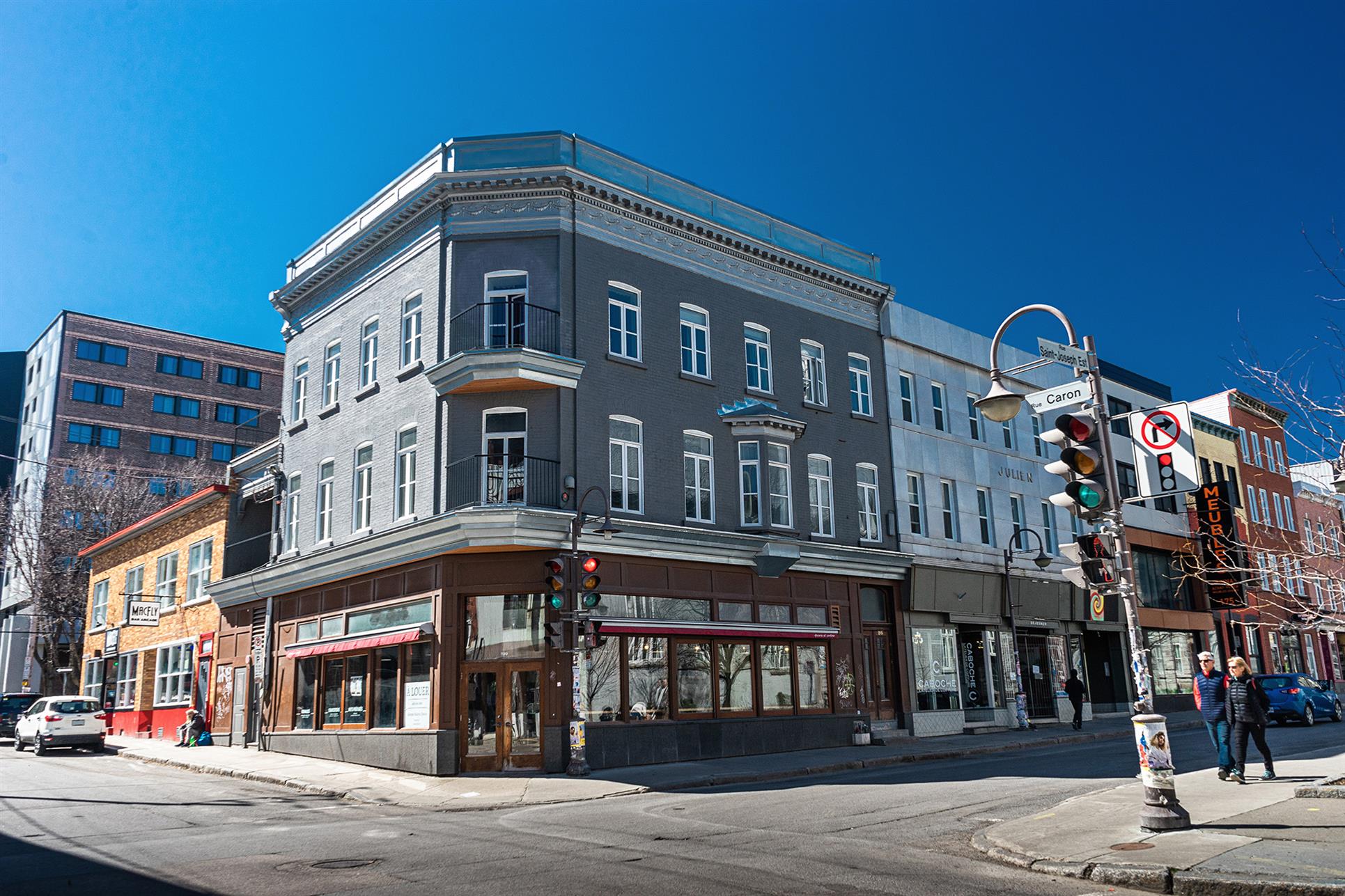
Environmental and Health Concerns in Older Buildings
Heritage buildings predate modern building codes and environmental standards. Expect:
Lead paint: Buildings built before 1978 almost certainly contain lead paint. Remediation during renovation requires certification and specialized contractors—adding $5,000-$20,000 to renovation costs depending on scope.
Asbestos: Common in buildings through the 1980s—insulation, floor tiles, roofing, pipe wrapping. Removal is mandatory before renovation and requires licensed asbestos abatement contractors. Cost: $15,000-$50,000+ depending on extent.
Mold: Older buildings with deferred maintenance often develop mold. Assessment and remediation: $5,000-$30,000 depending on severity.
Radon: Older foundations without modern vapor barriers may allow radon accumulation. Testing is relatively cheap ($200-$400), but mitigation (ventilation systems) can cost $2,000-$5,000.
Vermiculite insulation: In older buildings, this asbestos-containing material might be in attics. Professional removal is required: $5,000-$15,000.
These environmental remediation costs don’t appear in standard home inspections. They’re discovered during detailed assessment or renovation, often driving up budgets substantially.
Commercial vs. Residential Heritage Buildings: Different Challenges
Character buildings often have mixed-use potential: commercial on ground floor, residential above. This creates unique considerations:
Commercial spaces in heritage buildings often have low ceilings, odd floor plans, and structural posts that don’t match modern commercial needs. Retrofitting for modern retail, office, or restaurant use is expensive.
Residential conversion of commercial space requires bringing units up to residential code—different electrical requirements, egress standards, and heating systems. Conversions of old warehouses or storefronts regularly exceed $300-$500 per square foot.
Mixed-use financing is more complex. Lenders evaluate residential and commercial components separately, and may require different financing for each—adding closing costs and complexity.
Zoning enforcement on conversions is strict. You can’t simply decide to convert commercial space to residential—you need zoning approval, which may trigger parking requirements, setback adjustments, or other modifications.
Understand exactly what uses are permitted and what conversions would require before purchasing mixed-use heritage properties.
Insurance and Ongoing Maintenance Costs
Heritage properties cost more to insure. Specialized materials, higher replacement costs, and increased complexity mean premiums run 20-40% higher than standard properties.
Ongoing maintenance is also higher:
- Annual masonry inspection and repointing ($1,000-$3,000)
- Slate or tile roof maintenance ($500-$2,000 annually)
- Historic window restoration and repair ($500-$2,000 annually)
- Mechanical system upkeep for specialized equipment ($500-$1,500 annually)
Budget $2,000-$5,000 annually just for specialized maintenance—beyond standard property upkeep.
The Appraisal Challenge
Appraisers struggle with heritage buildings because:
Limited comparables: How do you value a 1920s Art Deco office building with heritage designation when there are only two comparable sales in the past five years?
Condition variability: Two heritage buildings can have identical exteriors but vastly different interiors. One might be fully renovated and modern inside; the other original and deteriorated. This creates appraisal uncertainty.
Cost-benefit ambiguity: Original hardwood floors add aesthetic value but cost $15,000 to restore. Does that restoration justify $15,000 in appraised value, or just $5,000? Appraisers disagree.
Restriction impact: Heritage designations reduce development potential. An appraiser must value the property knowing that future expansion, demolition, or radical modification is restricted.
The result: heritage property appraisals often come in lower than comparable modern buildings, even if the character building is more desirable to buyers. Lenders may base financing on the conservative appraisal, requiring larger down payments.
Due Diligence Checklist for Heritage Properties
Before committing to purchase a heritage character building:
Obtain heritage designation status: Contact your city’s heritage office. Determine whether the building is designated, what protections apply, and what restrictions exist.
Review heritage guidelines: Request specific guidelines for modifications. Understand what changes require approval and what’s prohibited.
Get structural and environmental assessment: Hire a heritage-specialist engineer and environmental consultant. Standard inspections miss the issues unique to older buildings. Budget $5,000-$10,000 for thorough assessment.
Verify restoration costs: Meet with contractors experienced in heritage restoration. Get realistic estimates for bringing major systems (HVAC, electrical, plumbing) to modern standards while maintaining character.
Research historical significance: Understand the building’s history. Is it architecturally significant? Has it been substantially altered? Will future heritage designation become more restrictive?
Check municipal plans: Are there neighborhood improvements planned? Infrastructure changes? Will the area’s character be protected or transformed?
Understand financing reality: Consult a lender experienced with heritage properties before purchasing. Understand what down payment will be required and what conditions the lender might impose.
Evaluate your tolerance for uncertainty: Heritage properties often reveal surprises during renovation. Can you absorb a $50,000 unexpected cost? Can you accept that your dream renovation might not be approved by heritage authorities?
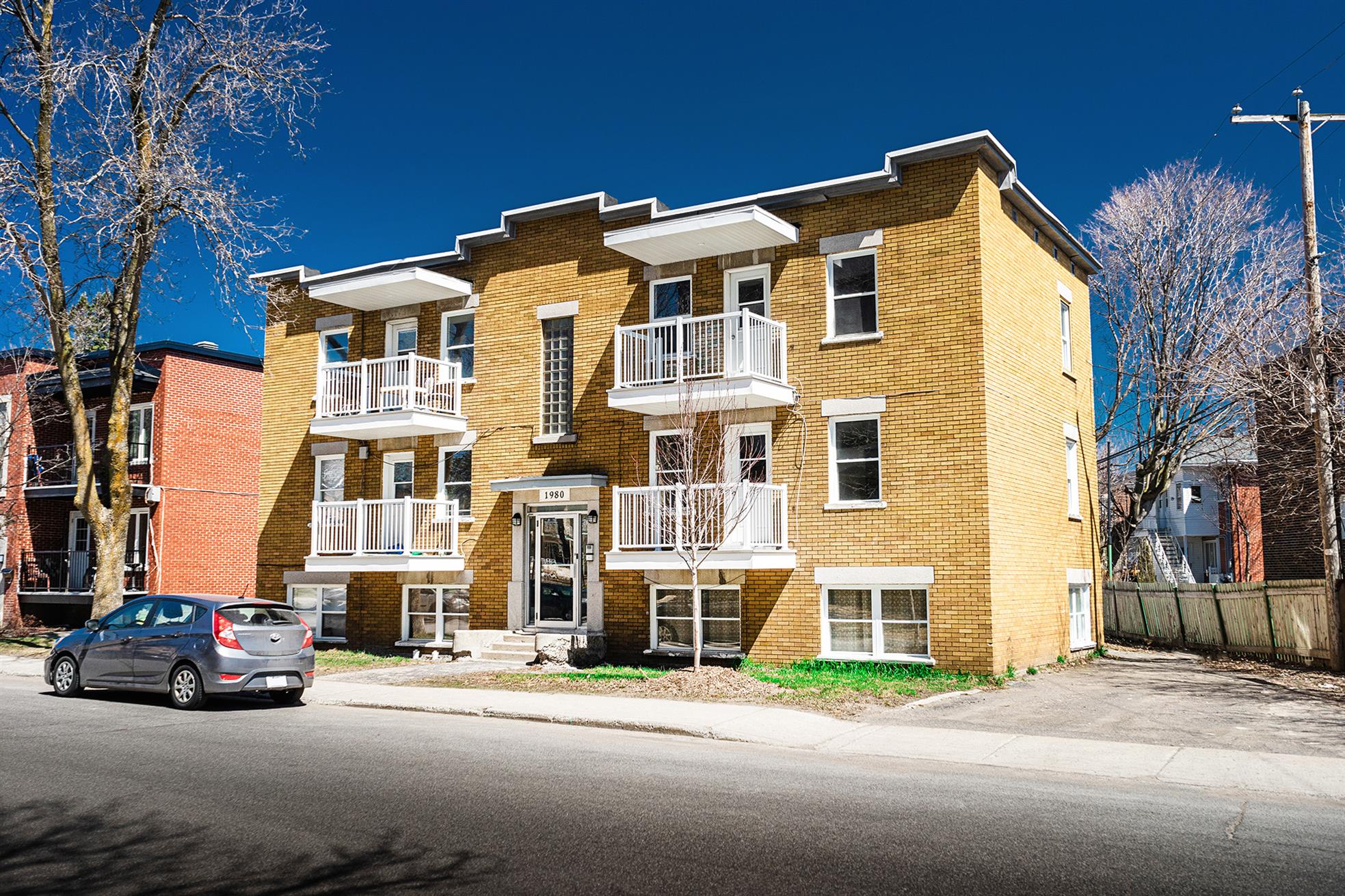
The True Value of Heritage Properties
Character buildings succeed when buyers understand the true costs—and when those costs align with their long-term plans.
A buyer who loves the aesthetics but underestimates restoration requirements faces financial disaster. A developer who recognizes the restrictions and plans accordingly can create value. An owner who budgets properly for ongoing maintenance can preserve the building and benefit from its appreciation.
The key is clarity. Understand exactly what you’re buying: the current condition, mandatory restoration requirements, ongoing restrictions, and financial implications. Make your decision based on full information, not romanticized vision of what the property “could be.”
Heritage buildings in Quebec are irreplaceable. They anchor neighborhoods, preserve architectural character, and provide homes and businesses with soul that modern construction rarely achieves. But they demand respect—and realistic financial planning. Properties evaluated honestly, budgeted carefully, and managed by owners committed to preservation become assets that appreciate and endure for decades.