
Owning a single investment property is a starting point. Building a portfolio of multiple properties is an entirely different undertaking — one that requires a deliberate strategy, sound financial architecture, and a management structure that scales without collapsing under its own weight. Many investors acquire their first property successfully and then stall, unsure of how to replicate that success without taking on unmanageable risk.
At Murray Immeubles, we work with investors at every stage of this journey. This guide is for those who are ready to move beyond a single asset and build something that generates lasting, compounding wealth.

Why Most Real Estate Portfolios Stop at One or Two Properties
The first property is often driven by enthusiasm and a clear goal. The second and third require something more disciplined: a framework. Without one, investors find themselves paralyzed by questions they cannot easily answer.
Which property type should I add next? How much leverage is appropriate at this stage? Am I building cash flow or equity? Should I diversify geographically or concentrate in one market I know well?
These are not unanswerable questions. They are strategy questions, and the reason most portfolios stall is that investors treat them as financial calculations rather than the strategic decisions they actually are. Real estate portfolio building is as much about clarity of direction as it is about numbers.
Define Your Portfolio Strategy Before Your Next Acquisition
Before adding any property to your portfolio, you need to be clear on what role that property is meant to play. Every acquisition should serve a defined purpose within your overall strategy. The most common portfolio strategies are:
Cash Flow Focused The goal is to generate consistent monthly income above all expenses, building a self-sustaining income stream. This strategy favors multi-unit residential properties in stable rental markets with strong occupancy rates. Growth is slower but the monthly income provides both lifestyle flexibility and reinvestment capital.
Equity Growth Focused The goal is capital appreciation over time. Properties are selected for their location trajectory, land value, and long-term development potential rather than immediate yield. This strategy requires a longer horizon and stronger cash reserves since monthly income may be modest or break-even.
Balanced Portfolio A combination of cash-flowing assets that fund operations and equity-growth assets that build long-term net worth. This is the approach most mature portfolio investors eventually adopt, using income from stabilized properties to support acquisition of higher-growth assets.
Murray Immeubles works with investors to identify which strategy aligns with their timeline, risk tolerance, and financial goals before recommending any specific acquisition.
The Financial Architecture of a Scalable Portfolio
The single biggest constraint on portfolio growth is financing. After two or three properties, many investors discover that conventional mortgage products are no longer accessible to them — lenders begin treating the portfolio as a liability rather than an asset. This is why financial architecture matters from property one.
Key principles that support portfolio scalability include:
Keep Leverage Manageable at Each Stage High leverage accelerates acquisition speed but also compresses your margin for error. A vacancy, a major repair, or a temporary market softening can become a crisis rather than a setback when your portfolio is over-leveraged. As a general principle, each property should be able to service its own debt from rental income with a meaningful buffer.
Separate Your Personal Finances From Your Portfolio As your portfolio grows, maintaining clean separation between personal and portfolio finances is essential — for tax purposes, for financing applications, and for clarity on actual portfolio performance. Many investors use holding structures or numbered companies to achieve this separation.
Maintain a Capital Reserve Every property in your portfolio will eventually need capital — a new roof, a mechanical system replacement, a suite renovation between tenants. Portfolios that do not maintain adequate reserves are forced to sell assets at the wrong time or take on emergency financing at unfavorable terms. A minimum reserve of three to six months of gross rents per property is a reasonable baseline.
Build Relationships With Commercial Lenders Early As your portfolio grows beyond the reach of conventional residential mortgage products, relationships with commercial lenders, credit unions, and private mortgage providers become essential. These relationships take time to develop. Investors who begin cultivating them before they need them are in a far stronger negotiating position than those who approach lenders under the pressure of a pending acquisition.
Geographic Concentration vs. Diversification
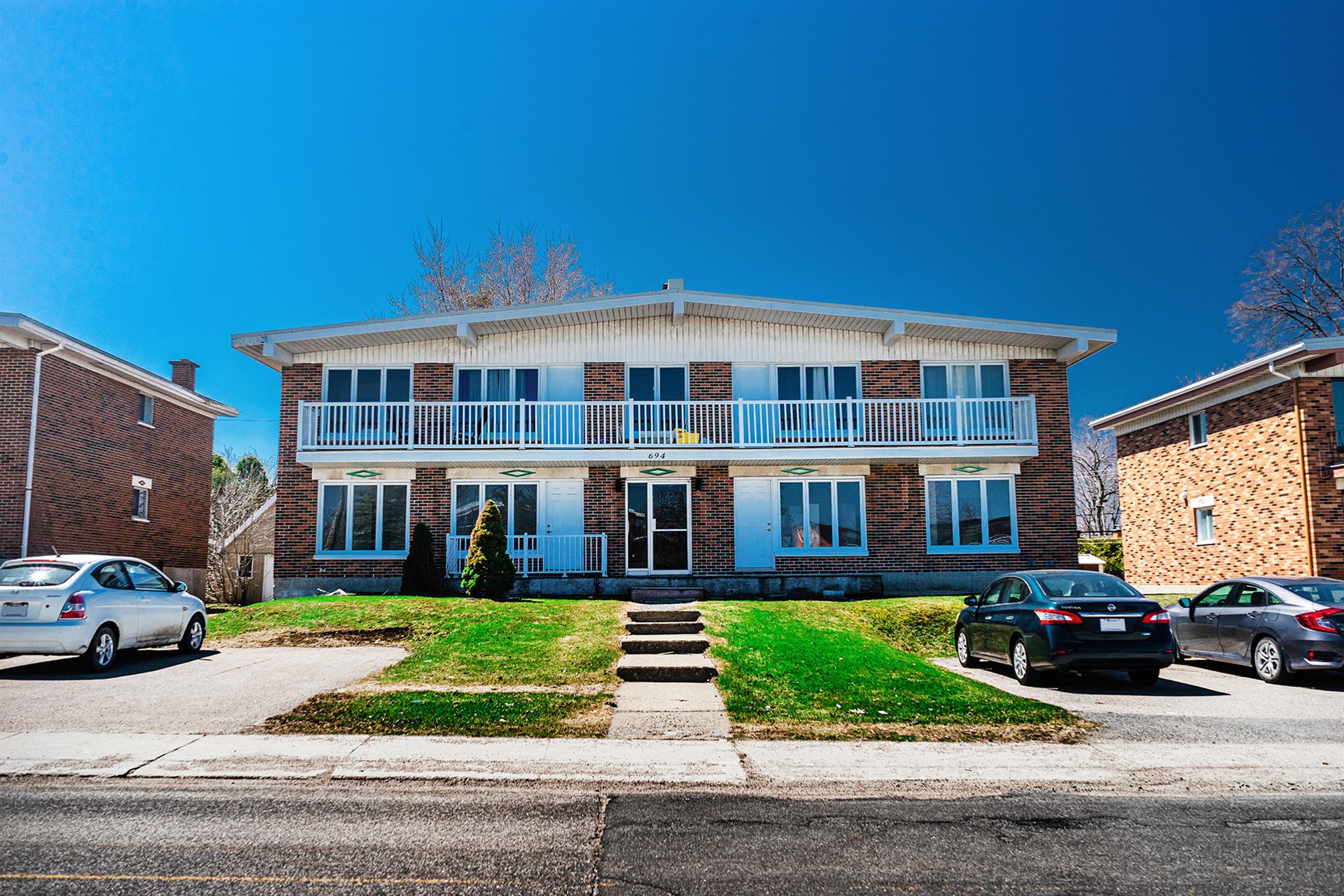
One of the most frequently debated questions in portfolio building is whether to concentrate acquisitions in a single market or diversify across multiple cities and regions. Both approaches have merit, and the right answer depends on your management capacity and your investment strategy.
The Case for Concentration Owning multiple properties in the same market gives you deep local knowledge, efficient management operations, and the ability to leverage existing tenant networks and contractor relationships. Portfolio management costs are lower when properties are geographically proximate, and your understanding of local market dynamics improves with every acquisition.
The Case for Diversification Spreading your portfolio across multiple markets reduces exposure to any single regional economic event — a major employer closure, a policy change affecting rental regulations, or a localized market correction. Diversification provides resilience at the cost of operational efficiency.
For investors building their first multi-property portfolio, concentration in a market they know well is generally the more practical starting point. Geographic diversification becomes a more relevant consideration once the portfolio has reached a scale where operational complexity can be managed effectively.
Murray Immeubles has experience guiding investors through both approaches, with particular depth in multi-unit residential assets across diverse market conditions. Our network also includes Frederic Murray Estates for investors whose portfolios extend into the luxury and prestige property segment.
Adding Properties Systematically: The Acquisition Checklist
Every property added to a growing portfolio should pass the same rigorous evaluation before capital is committed. A consistent acquisition checklist prevents the enthusiasm of a promising deal from overriding disciplined analysis.
For each prospective acquisition, evaluate:
- Does this property fit the defined role in my portfolio strategy — cash flow, equity growth, or balance?
- What is the actual net operating income based on verified operating statements, not pro forma projections?
- What is the current and historical vacancy rate, and what does local market data say about rental demand in this location?
- What capital expenditure is required in the near term, and how does that affect the real cost of acquisition?
- How does this property finance, and what are the actual debt service costs at realistic interest rate scenarios?
- What is the exit strategy if circumstances change — is this an asset that can be sold or repositioned without significant loss?
- Does this acquisition strengthen or strain the existing portfolio from a cash flow and leverage perspective?
An acquisition that cannot answer every one of these questions favorably deserves further scrutiny before proceeding.
The Role of Professional Management in Portfolio Scaling
One of the most common mistakes growing portfolio investors make is attempting to self-manage beyond their capacity. Self-management of one or two properties is often practical. Self-managing five, eight, or ten properties while maintaining a career or other business interests is typically neither practical nor cost-effective once the time cost is properly accounted for.
Professional property management does more than simply handle day-to-day operations. It provides systematic tenant screening, lease administration, maintenance coordination, regulatory compliance, and financial reporting — all of which become increasingly complex as a portfolio grows. A management partner who understands multi-unit residential operations at scale is a genuine competitive advantage.
Murray Immeubles works in close coordination with Frederic Murray Management to provide investors with comprehensive portfolio management services across all property types. Whether your portfolio consists of two buildings or twenty, our management structure is designed to maintain consistent performance standards across every asset.
For investors also holding or considering single-family residential properties alongside multi-unit buildings, Frederic Murray Homes and Frederic Murray Rentals provide the same professional management and advisory services at every property level.
When to Sell and When to Hold
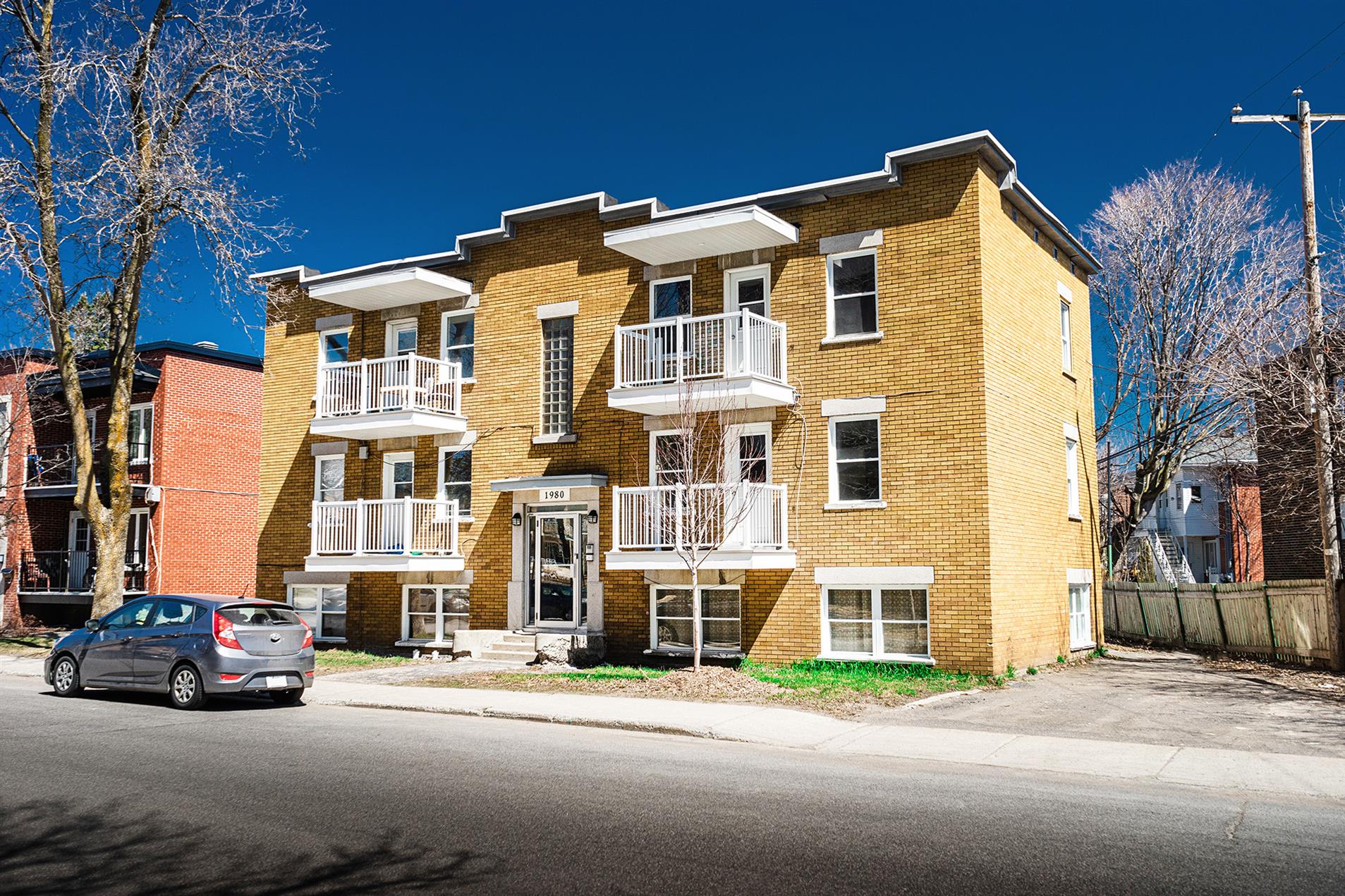
Portfolio growth is not purely about acquisition. Knowing when to sell an underperforming asset — and recycling that capital into a better opportunity — is equally important to long-term wealth building.
Consider selling when:
- A property has reached a valuation level where the capital could generate significantly better returns deployed elsewhere
- Persistent management challenges, regulatory changes, or neighbourhood deterioration are compressing returns below acceptable levels
- The asset no longer fits the strategic direction of your portfolio
- A tax-advantaged exchange opportunity exists that allows you to defer capital gains while upgrading asset quality
Consider holding when:
- The property generates strong, stable cash flow with a favorable financing structure
- The location fundamentals support continued appreciation
- The cost of disposition — including transaction costs, taxes, and reinvestment friction — outweighs the benefit of redeployment
Portfolio management is an ongoing discipline, not a set-and-forget exercise. Regular reviews of each asset’s performance relative to its role in your portfolio strategy are what separate investors who build lasting wealth from those who simply accumulate properties.
Building a real estate portfolio that grows sustainably requires strategy, patience, financial discipline, and the right advisory support. Murray Immeubles is the partner investors rely on to make confident, well-informed decisions at every stage of that journey. Connect with our team today to begin or accelerate your portfolio strategy.