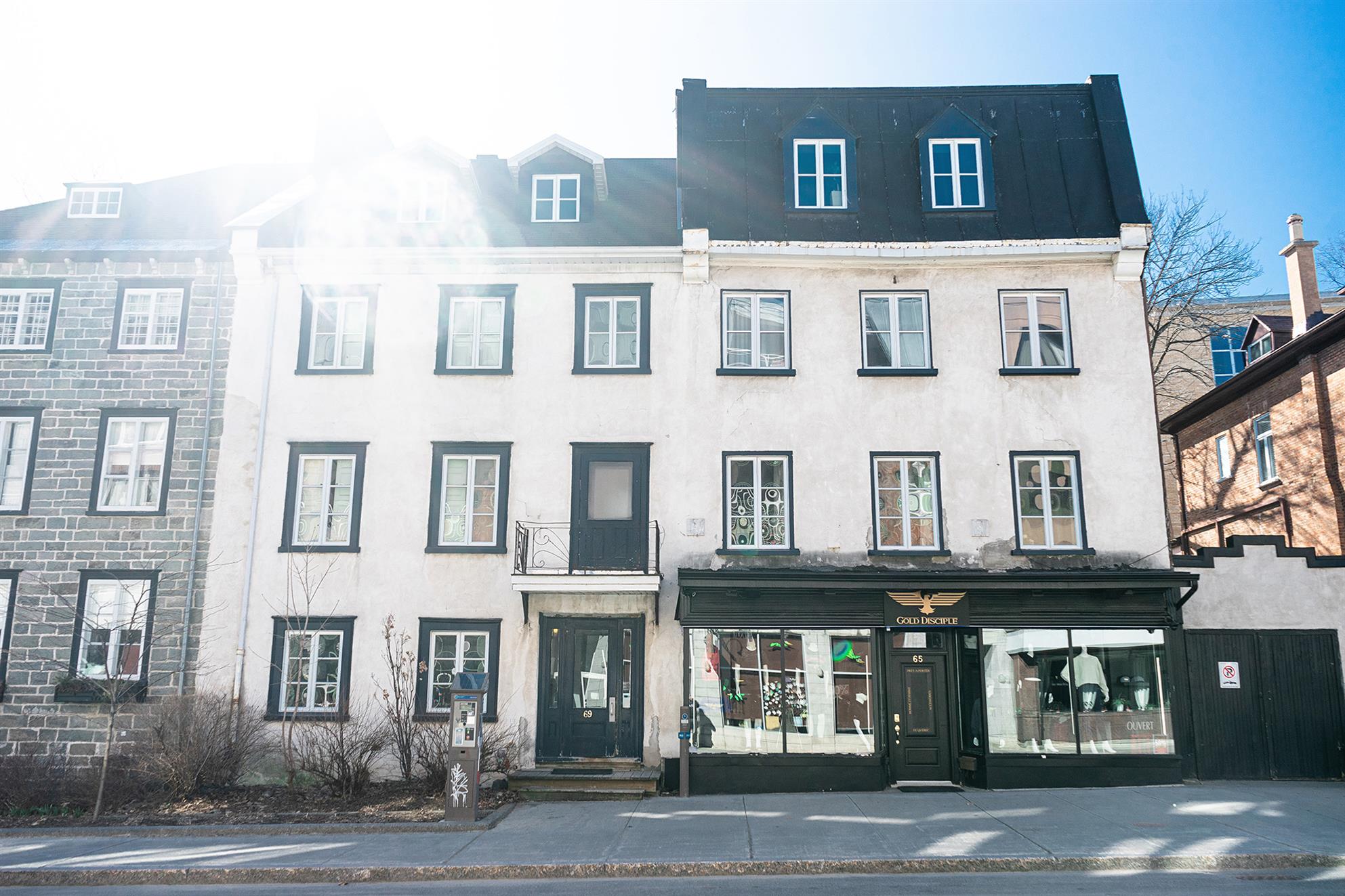
The apartment building industry in Quebec is undergoing a quiet revolution. While headlines focus on purchase prices, vacancy rates, and regulatory changes, the most forward-thinking building owners are gaining competitive advantages through a different channel entirely — the strategic adoption of smart building technology and sustainable upgrades that reduce operating costs, attract premium tenants, and position their properties for a future where energy efficiency and technological capability will increasingly separate thriving buildings from struggling ones.
This revolution is not about installing gadgets for the sake of novelty. It is about deploying practical, proven technologies and building improvements that deliver measurable financial returns while simultaneously enhancing the tenant experience. The Quebec market, with its extreme climate demands, aging building stock, and increasingly environmentally conscious tenant base, presents a uniquely compelling case for these investments. The buildings that embrace this transition now will compound their advantages over the coming decade. Those that delay will find themselves competing for a shrinking pool of tenants willing to accept outdated, inefficient living conditions.
The gap between technologically progressive buildings and those stuck in traditional operating modes widens every year. Understanding which investments deliver the strongest returns, how to sequence them for maximum impact, and how to finance them within the realities of Quebec’s multi-residential market is the knowledge that separates strategic building owners from those who simply collect rent and hope for the best.
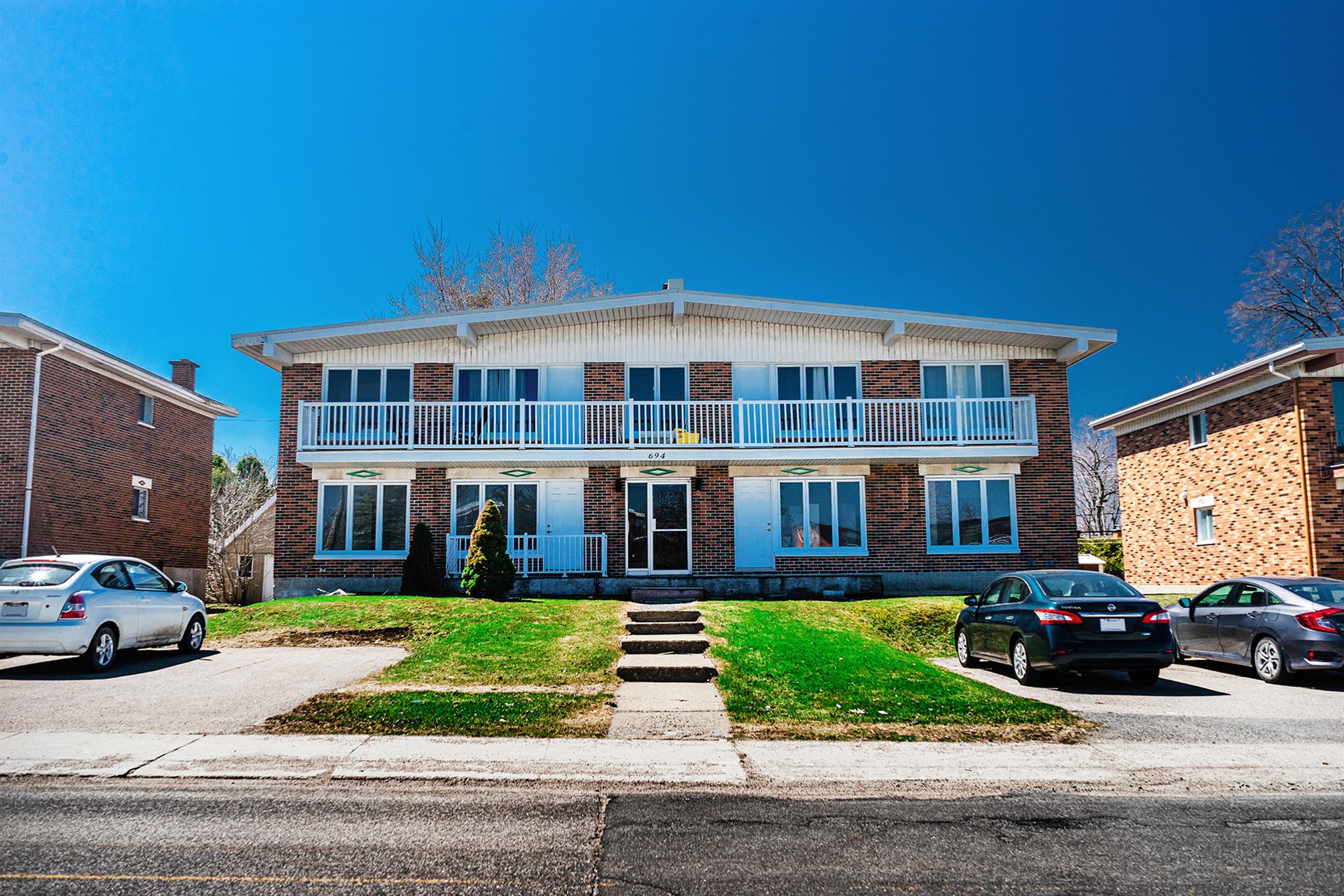
The Business Case for Smart Technology in Quebec Apartment Buildings
Skepticism toward building technology investments is understandable. Every industry is bombarded with promises of transformative technology that often delivers less than advertised. In the apartment building sector, however, several categories of technology have matured beyond the experimental phase and now offer reliable, quantifiable returns that justify their adoption on purely financial grounds, even before considering the competitive advantages they provide.
Smart thermostat systems represent the single highest-return technology investment available to most Quebec building owners today. In buildings where the owner pays for heating — a common arrangement in older Quebec multiplexes — heating costs represent the largest controllable operating expense. Traditional building heating systems operate on simple schedules or manual adjustments that cannot respond dynamically to actual conditions. Smart systems use occupancy sensors, weather data, and learning algorithms to optimize heating delivery, reducing energy consumption by fifteen to twenty-five percent in typical Quebec apartment installations without any reduction in tenant comfort.
The return on investment calculation for smart thermostats is straightforward and compelling. A twelve-unit building in Quebec City with annual heating costs of thirty-six thousand dollars that achieves a twenty percent reduction through smart thermostat installation saves seventy-two hundred dollars annually. If the installation cost for the entire building is fifteen thousand dollars, the system pays for itself in approximately two years and delivers pure savings every year thereafter. Over a ten-year holding period, this single upgrade generates over fifty thousand dollars in cumulative savings after accounting for the initial investment.
Water monitoring systems offer another high-return technology investment with the added benefit of catastrophic loss prevention. Smart water sensors installed at key points throughout a building — under sinks, near water heaters, adjacent to washing machine connections, and in mechanical rooms — detect leaks within minutes of their onset and alert property managers immediately. Given that water damage is the most common and among the most expensive insurance claims for Quebec apartment buildings, the combination of reduced insurance premiums and avoided damage makes these systems financially attractive even before considering the tenant satisfaction benefits of preventing water-related disruptions.
Smart access and security systems enhance both operational efficiency and tenant appeal. Electronic key systems eliminate the expense and security risk of physical key management — no more rekeying when a tenant loses their key, no more worry about unauthorized copies circulating. These systems also provide audit trails showing when doors were accessed, which is valuable for both security monitoring and liability protection. Video intercom systems allow tenants to verify visitors before granting access, a feature that has become a baseline expectation among younger renters.
The technology integration strategies developed for buildings managed through murrayimmeubles.com and fredericmurraymanagement.com are selected and implemented based on rigorous return-on-investment analysis specific to each building’s configuration, tenant profile, and operating cost structure.
Energy Efficiency Upgrades That Transform Operating Economics
Beyond smart technology, physical energy efficiency upgrades to the building envelope and mechanical systems deliver permanent reductions in operating costs that improve the property’s financial performance for its entire remaining useful life. In Quebec, where the heating season stretches across five to six months and energy costs represent a disproportionate share of total operating expenses compared to buildings in milder climates, these improvements carry outsized financial significance.
Building envelope improvements address the fundamental thermodynamic reality that a building is only as efficient as its weakest point of heat loss. Windows are typically the primary culprit. Single-pane windows that are still found in many older Quebec buildings transmit heat at roughly five to ten times the rate of modern triple-pane units. Replacing these windows represents a major capital expenditure, but the resulting reduction in heating costs, improvement in tenant comfort, and increase in property value often justify the investment, particularly when provincial and federal energy efficiency rebates offset a meaningful portion of the cost.
For buildings where full window replacement is not yet financially feasible, interior storm windows provide a cost-effective intermediate solution. These secondary glazing systems install inside the existing window frame and create an insulating air space that dramatically reduces heat loss at a fraction of the cost of full replacement. They also reduce condensation, street noise transmission, and air infiltration — improvements that tenants notice and appreciate.
Insulation upgrades to attics, exterior walls, and basement ceilings address the other major pathways for heat loss. The economics of insulation improvements depend heavily on the existing insulation levels and the accessibility of the spaces being upgraded. Attic insulation is typically the most cost-effective because the space is usually accessible without disrupting occupied areas and because heat rises, making the ceiling plane the most consequential thermal boundary in the building. Bringing an older building’s attic insulation from the minimal levels typical of its construction era up to current code standards can reduce total heating energy consumption by ten to twenty percent.
Mechanical system upgrades complete the efficiency picture. Replacing an aging boiler with a high-efficiency condensing model can improve heating system efficiency from seventy-five or eighty percent to ninety-five percent or higher. For a building spending forty thousand dollars annually on heating fuel, this efficiency improvement translates to savings of eight thousand to ten thousand dollars per year — enough to recover the cost of a new boiler within four to six years while extending equipment reliability and reducing the risk of mid-winter breakdowns.
Heat recovery ventilation systems deserve particular attention in Quebec’s climate. Building codes require adequate ventilation to maintain indoor air quality, but in a cold climate, every cubic meter of warm air exhausted from the building represents wasted energy. Heat recovery ventilators capture seventy to eighty percent of the thermal energy from exhaust air and transfer it to incoming fresh air, maintaining air quality without the massive energy penalty of conventional ventilation. In tightly sealed buildings — particularly those that have undergone envelope upgrades — these systems are essential for both energy performance and occupant health.
The energy upgrade programs coordinated through murrayimmeubles.com and fredericmurrayimmeubles.com incorporate building energy audits, utility rebate identification, contractor coordination, and post-installation performance verification to ensure that every efficiency investment delivers its projected returns.
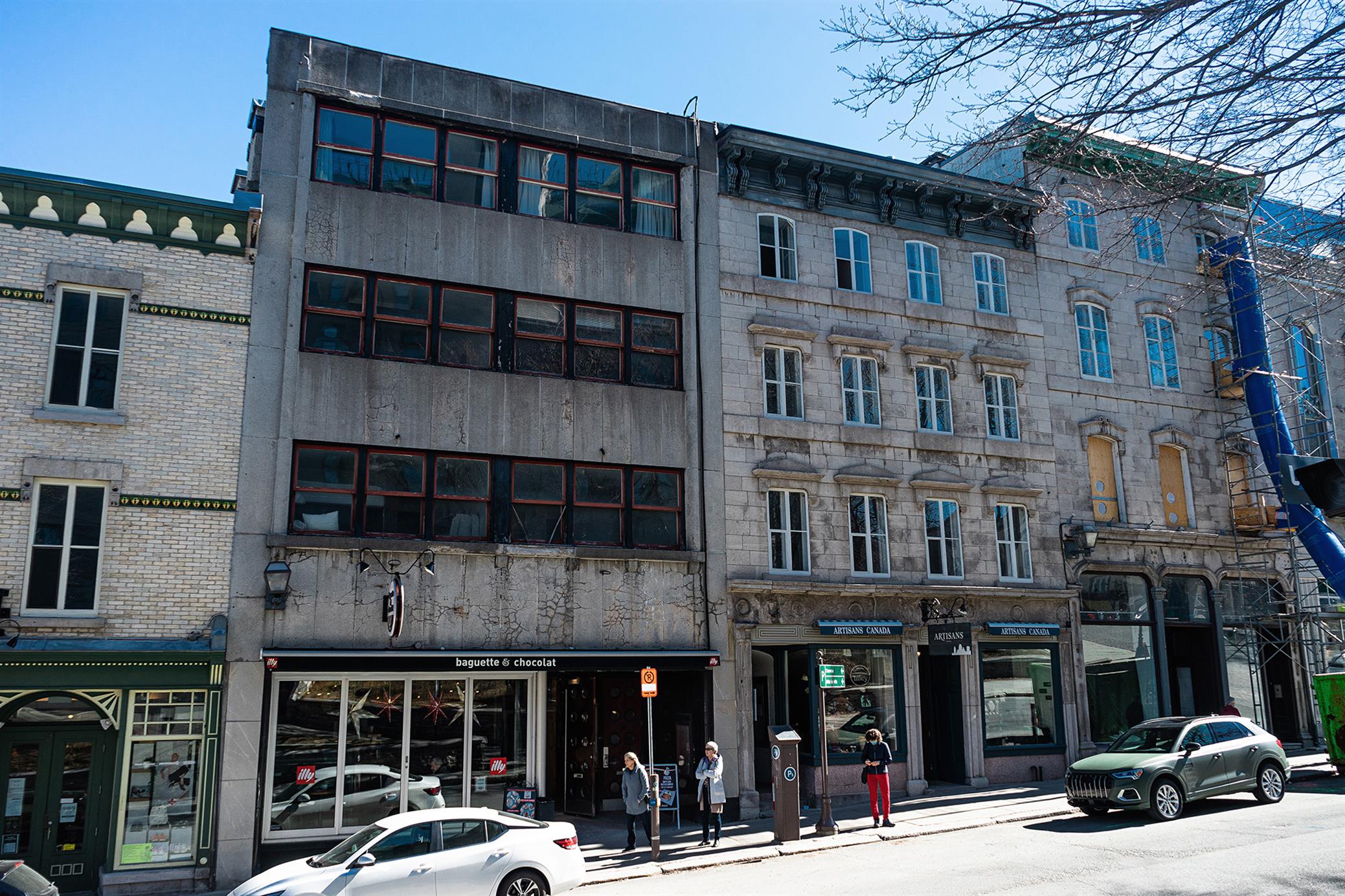
How Sustainable Buildings Attract and Retain Premium Tenants
The financial case for building technology and efficiency upgrades stands on its own merits through operating cost reductions alone. But an equally significant benefit operates on the revenue side of the equation — the growing ability of sustainable, technologically capable buildings to attract higher-quality tenants who are willing to pay premium rents and who tend to maintain longer, more stable tenancies.
Tenant preferences have shifted meaningfully over the past several years. Environmental consciousness, once a niche concern, has become a mainstream consideration in housing decisions, particularly among the demographic segments that represent the most desirable tenant profile — young professionals, technology workers, academics, and dual-income households. These tenants actively seek housing that aligns with their values, and energy-efficient buildings with visible sustainability features carry genuine appeal that differentiates them from conventional alternatives.
This preference is not purely ideological. Tenants in energy-efficient buildings enjoy tangible daily benefits that reinforce their satisfaction. Consistent interior temperatures without cold drafts near windows create genuine comfort improvements. Reduced street noise from high-performance windows and insulation enhances livability. Lower utility bills in units where tenants pay their own heating directly benefit their household budgets. Better indoor air quality from properly designed ventilation systems supports health and wellbeing. These experiential benefits create tenant satisfaction that translates into longer tenancies, positive word-of-mouth referrals, and a willingness to accept reasonable rent adjustments that reflect the superior living environment.
Marketing sustainable features effectively requires moving beyond vague green claims and communicating specific, credible benefits. Rather than claiming the building is “eco-friendly,” describe the concrete improvements — triple-pane windows that eliminate drafts and reduce noise, a high-efficiency heating system that maintains comfortable temperatures while keeping costs low, smart water monitoring that prevents the disruption and damage of undetected leaks, electronic access that provides convenient and secure entry. These specific claims give prospective tenants tangible reasons to choose your building over competitors and to accept the premium pricing that your investment in sustainability justifies.
The tenant attraction and retention advantages observed across sustainably upgraded properties in the Murray portfolio — accessible through fredericmurrayrentals.com and fredericmurraylocation.com — confirm that the combination of lower operating costs and higher revenue potential makes sustainability investments among the most financially rewarding upgrades a building owner can make.
Financing Sustainable Upgrades: Programs and Strategies for Quebec Building Owners
The upfront capital required for building technology and efficiency upgrades represents the primary barrier for many owners. Fortunately, the financing landscape for these investments in Quebec has improved substantially in recent years, with a combination of government incentive programs, utility rebates, and creative financing structures that can significantly reduce the net cost of improvements.
Federal programs through Natural Resources Canada offer rebates for a range of energy efficiency improvements including insulation, windows, heating systems, and heat pumps. The specific amounts and eligibility requirements change periodically, so verifying current program details before committing to a project is essential. Provincial programs through Hydro-Québec and the Quebec government offer additional incentives that can be stacked with federal rebates, further reducing the owner’s out-of-pocket cost.
Certain municipalities in Quebec have introduced their own incentive programs targeting specific improvements like heritage building facade restoration, green roof installation, or conversion from fossil fuel heating to electric heat pumps. These municipal programs tend to be smaller in dollar terms but can meaningfully contribute to project economics when combined with provincial and federal incentives.
For improvements that qualify for multiple levels of incentives, the cumulative rebates can offset thirty to fifty percent of the total project cost, dramatically improving the return on investment and shortening the payback period. A window replacement project that costs one hundred thousand dollars before rebates might net down to sixty or seventy thousand after stacking available incentives — a reduction that transforms a marginally attractive investment into a compelling one.
Beyond government programs, conventional financing through mortgage refinancing or home equity lines of credit can fund efficiency upgrades on favorable terms. Since these improvements increase the property’s value and reduce its operating costs, they strengthen the building’s financial profile in ways that lenders recognize and reward. A well-documented efficiency upgrade plan presented to a lender alongside projected energy savings and increased property valuation can facilitate favorable financing terms.
The incentive program navigation and project financing strategies developed through murrayimmeubles.com and fredericmurrayproperties.com help building owners maximize the financial support available for their specific projects, ensuring that no applicable rebate or incentive is left unclaimed.
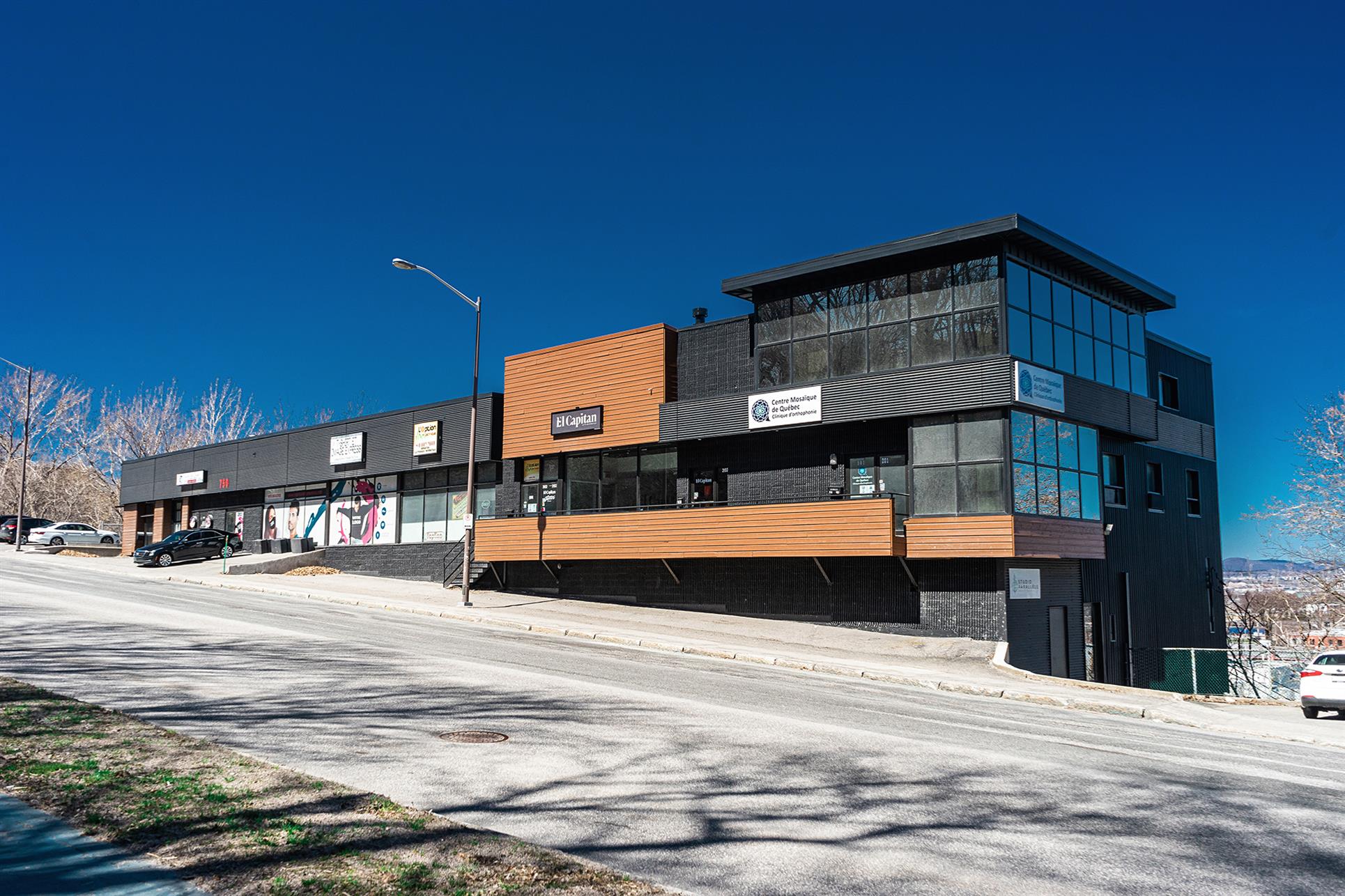
Building a Technology and Sustainability Roadmap for Your Property
The most effective approach to building technology and sustainability upgrades is not a single massive project but a phased roadmap that sequences improvements for maximum cumulative impact while managing capital expenditure within realistic budgets. This roadmap should be informed by a professional energy audit that identifies the specific areas where your building loses the most energy and where interventions will deliver the greatest returns.
Phase one should target the lowest-cost, highest-return improvements that can be implemented quickly. Smart thermostats, LED lighting upgrades in common areas, water leak sensors, draft sealing around windows and doors, and low-flow plumbing fixtures all fall into this category. These improvements typically pay for themselves within one to two years and begin generating savings immediately that can be redirected toward funding subsequent phases.
Phase two addresses the building envelope and mechanical systems. Window replacements, insulation upgrades, heating system modernization, and ventilation improvements require more significant capital investment but deliver proportionally larger and more permanent benefits. Schedule these improvements to coincide with the natural replacement cycle of existing components when possible. Replacing a fifteen-year-old boiler with a high-efficiency model when it is approaching end of life is more cost-effective than replacing a five-year-old unit simply because a more efficient option exists.
Phase three introduces the more advanced technology and amenity upgrades that enhance tenant experience and property positioning. Smart access systems, electric vehicle charging infrastructure, communal bicycle storage, improved common area finishes, and enhanced security systems fall into this category. While their direct energy savings may be modest, their impact on tenant attraction, retention, and willingness to accept premium rents justifies their inclusion in a comprehensive building improvement strategy.
Each phase should be evaluated independently for its return on investment while also being assessed for its contribution to the building’s overall competitive positioning. Some improvements that show modest standalone returns become compelling when their impact on tenant quality, vacancy reduction, and property valuation is included in the analysis.
The roadmap development process practiced for buildings connected to the Murray network — murrayimmeubles.com, fredericmurrayimmeubles.com, fredericmurraymanagement.com, and across the full ecosystem including fredericmurrayestates.com, fredericmurrayhomes.com, murrayimmeuble.com, fredericmurrayrentals.com, fredericmurraylocation.com, and fredericmurrayproperties.com — reflects the conviction that the buildings which will lead the Quebec City market over the coming decade are those whose owners invest today in the technology and sustainability improvements that tenants will increasingly demand and that operating economics will increasingly reward. The transition to smarter, more sustainable buildings is not a trend that will pass. It is the new standard against which every apartment building in Quebec will be measured, and the owners who meet that standard first will capture advantages that compound with every passing year.