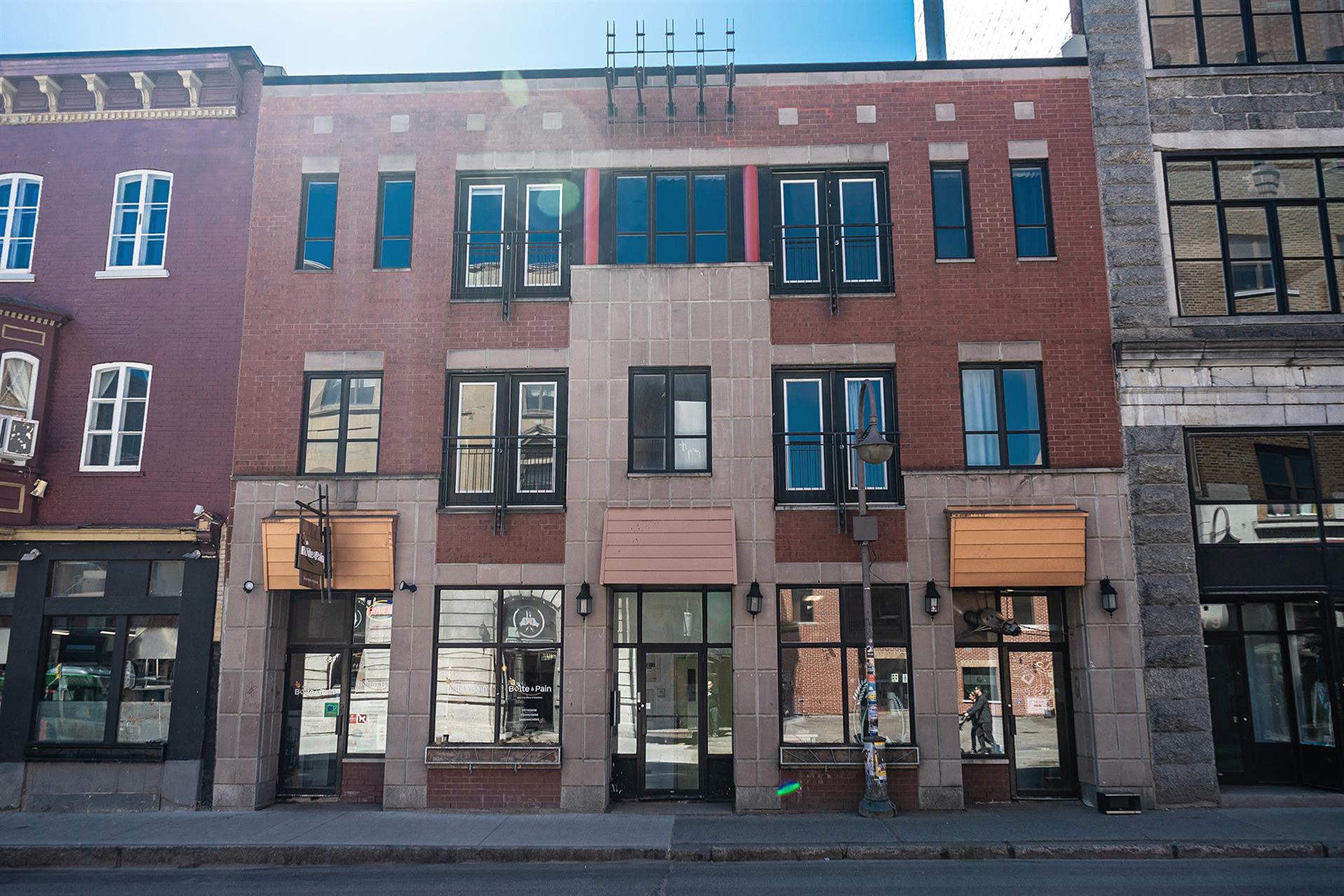
Purchasing a multi-unit building is one of the most effective ways to build long-term wealth through real estate in Canada. But the gap between what new investors expect to spend and what they actually spend in the first two years of ownership is often wider than anticipated. In 2026, with construction material costs fluctuating, insurance premiums climbing, and municipal regulations tightening, understanding the full cost picture before buying has never been more important. Investors who plan for these hidden expenses from the start protect their margins and avoid the financial stress that forces many first-time building owners to sell prematurely.
Insurance Premiums and Coverage Gaps
One of the most significant cost increases for multi-unit building owners in recent years has been property insurance. Premiums across Canada have risen sharply, driven by a combination of climate-related claims, aging building stock, and tighter underwriting standards from insurers. In Quebec, owners of older multi-unit buildings have seen annual premium increases of 15 to 25 percent in some cases.
Beyond the premium itself, many building owners discover coverage gaps only after a claim is filed. Standard commercial property policies may exclude certain water damage scenarios, sewer backup, or damage caused by tenants. Reviewing policy exclusions with a broker who specializes in multi-unit residential buildings is essential before closing on any acquisition.
Investors working with experienced property networks like Frédéric Murray Management benefit from established relationships with insurers who understand the specific risk profiles of Quebec revenue buildings, often resulting in more comprehensive coverage at competitive rates.
Deferred Maintenance and Capital Expenditure Surprises
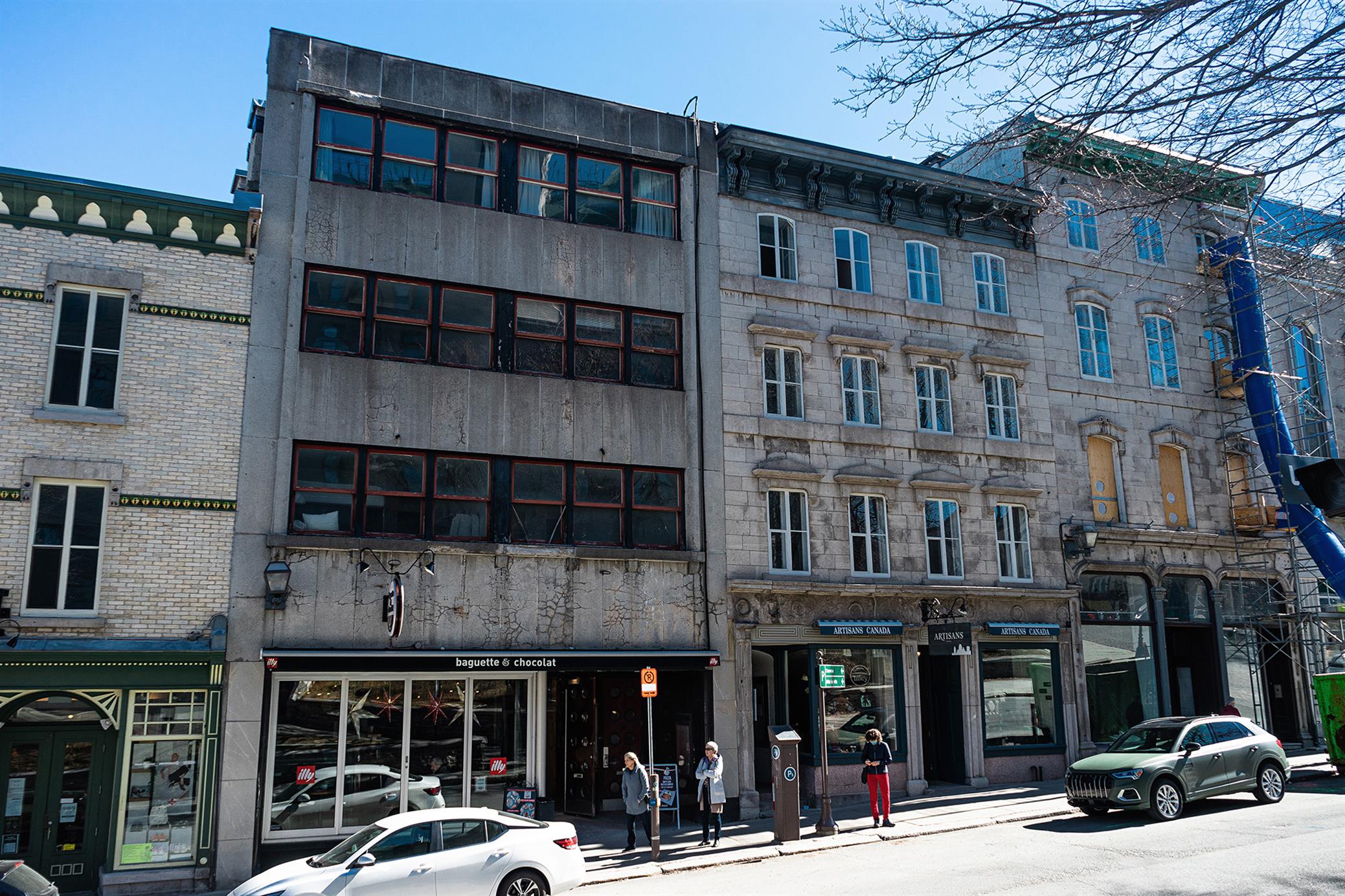
Every multi-unit building accumulates deferred maintenance over time, and sellers are not always forthcoming about the extent of the backlog. Roof replacements, boiler failures, plumbing overhauls, and foundation repairs are among the most expensive surprises that new building owners face. A flat roof on a 12-unit building in Quebec, for example, can cost anywhere from $30,000 to $80,000 to replace depending on size and material.
The most effective way to protect against these surprises is to commission a thorough building condition assessment before purchasing. Unlike a standard home inspection, a building condition assessment examines every major system in detail, including structural components, mechanical systems, electrical panels, and the building envelope. The report should include estimated remaining useful life for each system and projected replacement costs.
Savvy investors set aside a capital reserve fund from day one, typically allocating three to five percent of gross annual rental income toward future capital expenditures. This approach, commonly practiced among portfolio owners listed through Murray Immeuble and Frédéric Murray Immeubles, ensures that major repairs do not require emergency financing or cash flow disruption.
Municipal Taxes, Assessments, and Regulatory Compliance
Property taxes on multi-unit buildings in Quebec are assessed based on municipal valuations that can change significantly from one assessment cycle to the next. A building that was assessed at $800,000 three years ago may be reassessed at $1.1 million after renovations or market shifts, resulting in a meaningful jump in annual tax obligations.
Beyond standard property taxes, building owners must account for special assessments that municipalities may levy for infrastructure improvements such as road reconstruction, sewer upgrades, or sidewalk replacements. These assessments can arrive unexpectedly and are typically non-negotiable.
Regulatory compliance costs are another area that catches new owners off guard. Quebec has specific requirements for multi-unit buildings regarding fire safety systems, carbon monoxide detectors, emergency lighting, and accessibility standards. Buildings that were grandfathered under older codes may face mandatory upgrades when ownership changes or when renovation permits are pulled. Staying informed through real estate resources like Frédéric Murray Properties helps investors anticipate regulatory changes before they become costly surprises.
Vacancy and Turnover Costs
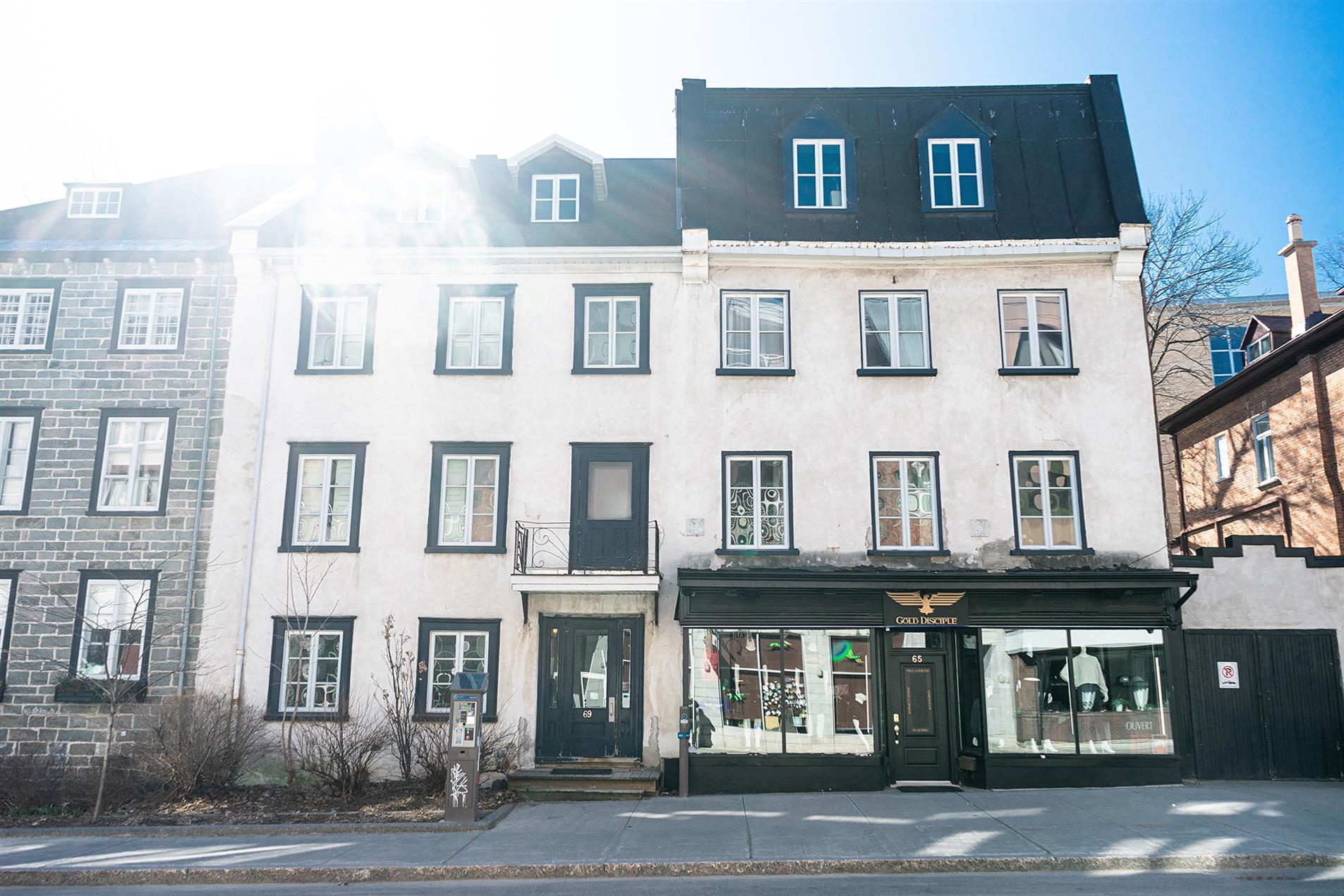
Even in markets with low vacancy rates, tenant turnover carries real costs that are easy to underestimate. When a unit turns over, the owner typically incurs expenses for cleaning, minor repairs, painting, and sometimes appliance replacement. In Quebec, where the Régie du logement governs tenant rights and lease transfers, the turnover process can also involve administrative time and legal considerations.
The cost of a single unit vacancy for one month in a mid-range Quebec building might include $1,200 in lost rent plus $1,500 to $3,000 in turnover preparation costs. Multiply that across several units per year and the impact on annual cash flow becomes substantial.
Reducing turnover starts with tenant selection and retention strategies. Buildings managed by teams like those at Frederic Murray Rentals emphasize responsive maintenance, clear communication, and community-building efforts that encourage long-term tenancy. The cost of retaining a good tenant is almost always lower than the cost of finding a new one.
Utility Cost Management
In buildings where some or all utilities are included in rent, energy costs represent a significant and often unpredictable expense. Quebec’s cold winters mean that heating costs dominate utility budgets for six months of the year. Older buildings with poor insulation, single-pane windows, or inefficient heating systems can consume far more energy than projected.
Investors should request at least 24 months of utility bills during due diligence to understand seasonal cost patterns. Buildings with individually metered units shift this cost burden to tenants, but common area utilities like hallway lighting, laundry rooms, and parking lot lighting still fall on the owner.
Energy retrofits, including upgraded insulation, LED lighting conversions, and high-efficiency heating systems, can reduce operating costs meaningfully over time. Properties that have already undergone these improvements, such as those highlighted through Frédéric Murray Estates and Frederic Murray Homes, offer investors a clearer cost picture and stronger net operating income from the outset.
Professional Management Fees and Self-Management Trade-offs
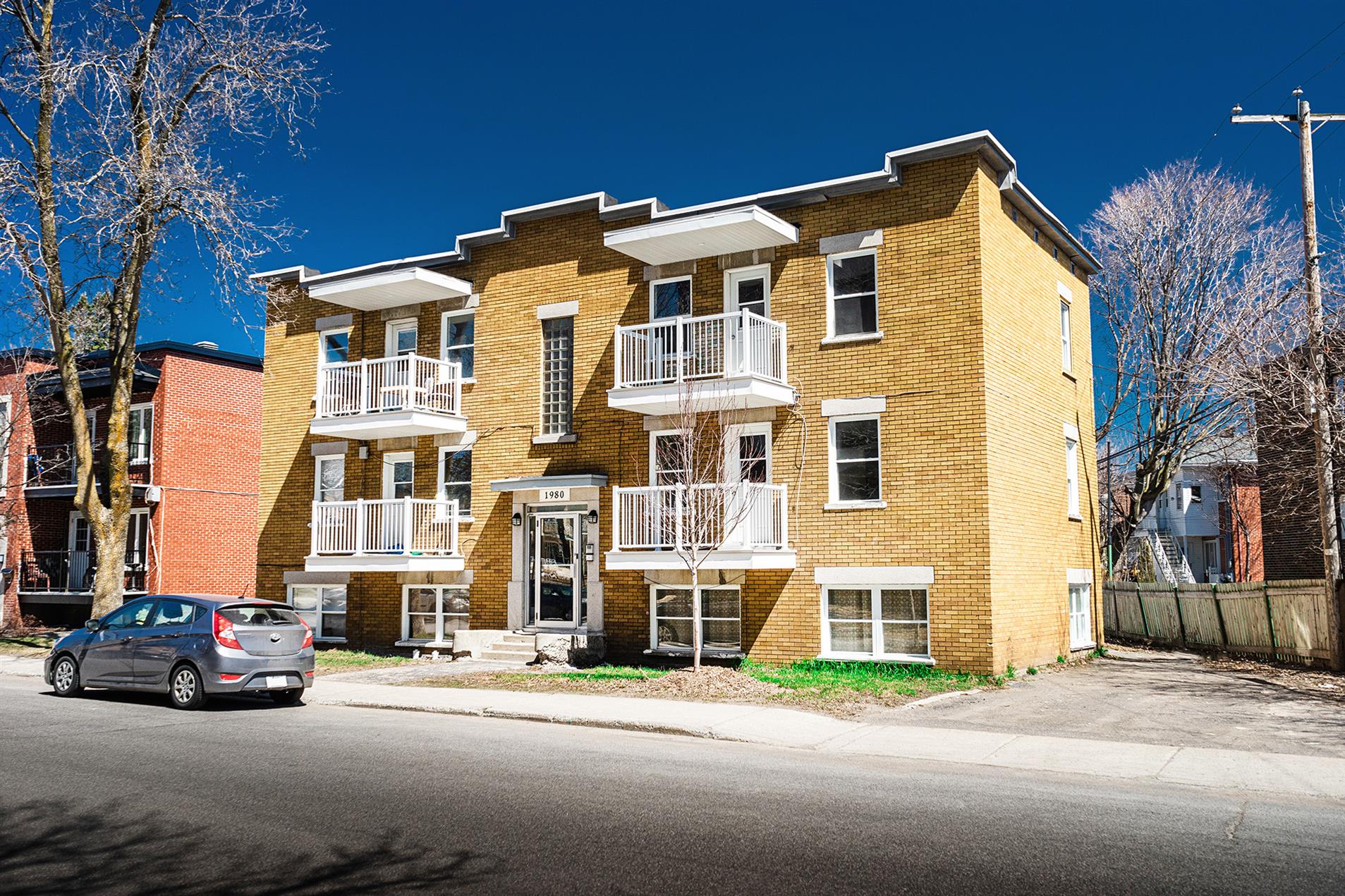
Many first-time multi-unit investors plan to self-manage their buildings to save on property management fees, which typically range from five to eight percent of gross rental income in Quebec. While self-management can work for small buildings, the time commitment and expertise required often exceed what new owners anticipate.
Tenant communications, maintenance coordination, rent collection, lease administration, and regulatory compliance all demand consistent attention. Owners who underestimate these demands often find that their time would be more productively spent on acquisition strategy and portfolio growth rather than day-to-day operations.
Professional management, such as the services offered by Frédéric Murray Location, brings systems, vendor relationships, and legal expertise that protect building owners from costly mistakes. The management fee often pays for itself through reduced vacancy, lower maintenance costs, and fewer legal disputes.
Owning a multi-unit building in Canada remains a powerful wealth-building strategy in 2026, but only when investors enter with a realistic understanding of the full cost structure. The hidden expenses are manageable when they are anticipated, budgeted for, and addressed proactively. Investors who treat cost management as a core competency, not an afterthought, are the ones who build sustainable and profitable portfolios over time.